
- Home
- Capabilities
- Solution
- Material
- Industry
- Resources
- Request a Quote
Views: 0 Author: Site Editor Publish Time: 2026-03-16 Origin: Site
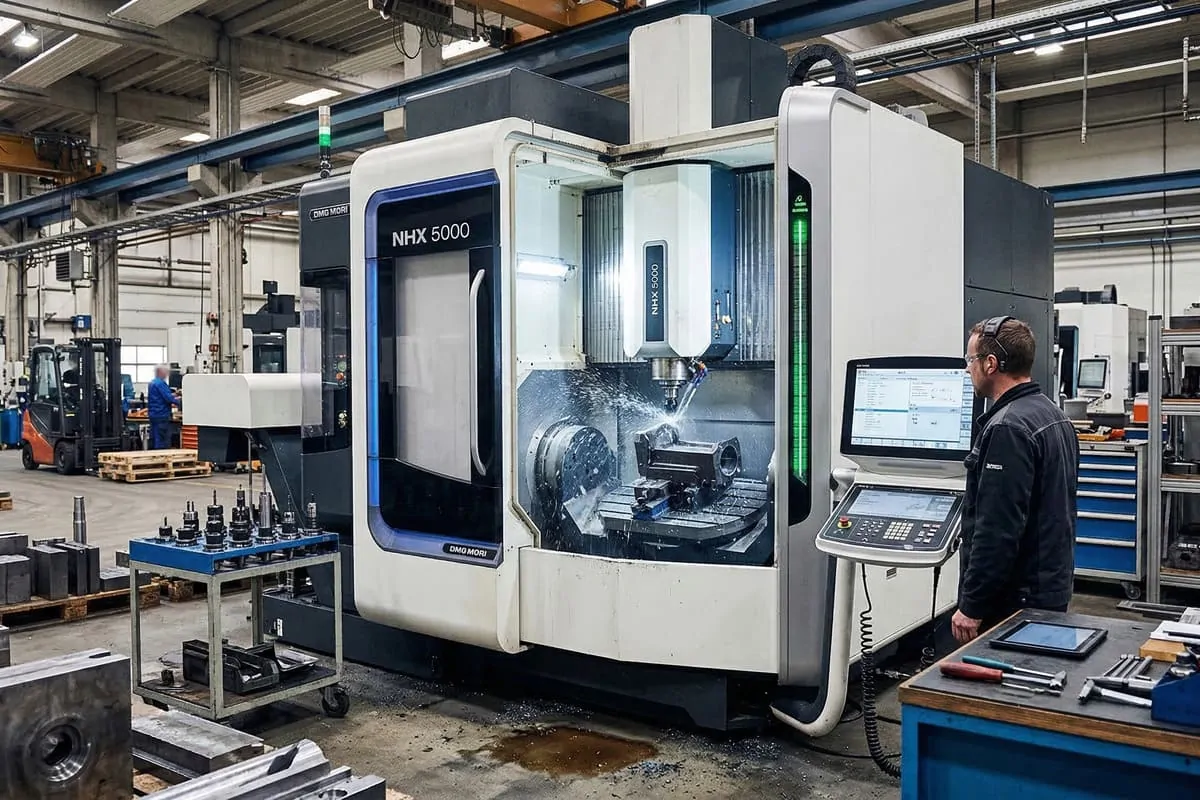
The United States has long been recognized as a global leader in advanced manufacturing, particularly in the field of precision CNC machining. From aerospace and defense to medical devices and industrial automation, American CNC machining manufacturers play a critical role in producing highly accurate and complex components that power modern technology.
With the increasing demand for high-performance parts and tighter manufacturing tolerances, many companies are actively searching for reliable CNC machining partners in the United States. These manufacturers combine advanced equipment, skilled engineering teams, and strict quality standards to deliver precision components for mission-critical applications.
In this guide, we explore some of the top CNC machining manufacturers in the USA in 2026, highlighting their capabilities, specialties, and the industries they support. We also provide insights into how to evaluate CNC suppliers and what factors businesses should consider when selecting a manufacturing partner.
Whether you are an engineer developing a prototype, a procurement manager sourcing production parts, or a startup building hardware products, this guide will help you better understand the CNC machining landscape in the United States and identify companies that can support your manufacturing needs.
If you're looking for a reliable global partner, explore our
custom CNC machining services
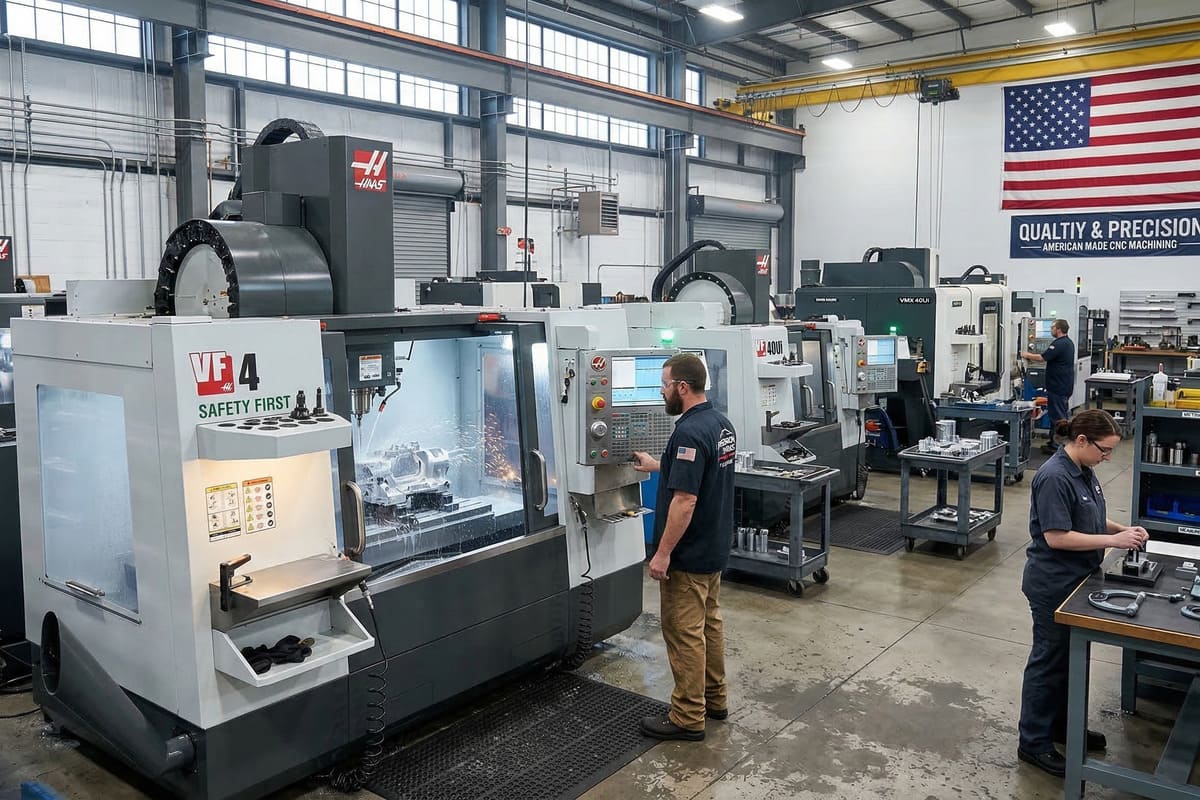
The United States is home to one of the most advanced CNC machining industries in the world. American manufacturers have built a strong reputation for producing high-precision components used in demanding sectors such as aerospace, medical technology, energy systems, and defense equipment.
Many CNC machining companies in the United States invest heavily in advanced equipment, including multi-axis machining centers, Swiss-type lathes, and automated manufacturing systems. These technologies enable manufacturers to produce complex parts with extremely tight tolerances and consistent quality.
In addition, the US manufacturing ecosystem benefits from strong engineering expertise, strict quality control standards, and a mature supply chain network. This combination allows CNC machining companies to support both prototype development and high-value production programs.
However, as global manufacturing continues to evolve, companies are also exploring hybrid sourcing strategies that combine domestic CNC suppliers with international manufacturing partners to optimize cost, lead time, and production flexibility.
CNC machining is widely used across multiple industries in the United States. Many sectors rely on precision-machined components to ensure product performance, safety, and reliability.
Some of the most important industries that depend on CNC machining include:
Aerospace Manufacturing
The aerospace industry requires extremely precise and reliable components for aircraft structures, engine systems, and flight-critical assemblies. CNC machining enables the production of complex aluminum, titanium, and high-performance alloy parts used in aerospace engineering.
Medical Device Manufacturing
Medical equipment manufacturers rely on CNC machining to produce surgical instruments, implant components, and diagnostic equipment parts. High precision and strict quality standards are essential in this industry.
Automotive and Transportation
The automotive sector uses CNC machining for engine components, transmission systems, and structural parts. Precision machining is essential for maintaining performance, efficiency, and safety in modern vehicles.
Industrial Equipment and Automation
Manufacturers of industrial machinery, robotics, and automation systems depend on CNC machining for high-accuracy housings, brackets, and mechanical components.
Electronics and Hardware Products
Many consumer electronics and industrial hardware products use CNC machining to manufacture aluminum enclosures, heat sinks, and structural components.
There are several reasons why many companies prefer working with CNC machining manufacturers in the United States.
One of the biggest advantages is the high level of manufacturing precision and engineering expertise. American CNC machining companies often specialize in producing complex parts for highly regulated industries such as aerospace and medical technology.
Another important strength is the use of advanced manufacturing equipment. Many US machine shops operate high-end CNC machines capable of multi-axis machining, which allows them to produce intricate components with fewer setups and higher accuracy.
In addition, US manufacturers typically maintain strict quality control systems and certification standards, including ISO quality management systems and aerospace certifications such as AS9100. These standards ensure consistent product quality and traceability throughout the manufacturing process.
Finally, strong communication and engineering collaboration are often cited as advantages of working with domestic CNC suppliers. Close coordination between engineers and manufacturers can help optimize part design, reduce machining complexity, and improve production efficiency.
While the United States offers world-class CNC machining capabilities, there are also some challenges that companies must consider when sourcing parts domestically.
One of the most common concerns is manufacturing cost. Labor and operational costs in the United States are generally higher than in many other manufacturing regions, which can lead to higher production prices for CNC-machined parts.
Another factor is production capacity and lead time. Some specialized machine shops focus on high-precision work but may have limited capacity for large production volumes.
As a result, many global companies adopt a hybrid manufacturing strategy, working with both domestic CNC machining providers and reliable international manufacturing partners. This approach allows businesses to balance quality, cost efficiency, and production scalability.
For example, companies like NAITE TECH support international customers by providing high-precision CNC machining services and scalable manufacturing solutions for complex components.
Selecting the top CNC machining manufacturers in the United States requires more than simply listing well-known companies. The CNC machining industry includes thousands of machine shops ranging from small specialized workshops to large digital manufacturing platforms.
To create this guide, we evaluated manufacturers based on a set of key criteria that reflect their technical capabilities, industry experience, and ability to deliver reliable manufacturing services for global customers.
The goal of this evaluation is not only to highlight well-known CNC machining companies, but also to provide readers with a clearer understanding of what differentiates leading manufacturers from the rest of the industry.
The following factors were considered when identifying the top CNC machining manufacturers featured in this guide.
When evaluating CNC machining companies, several core factors were considered to determine their position in the industry. These criteria help ensure that the companies included in this guide demonstrate strong technical capabilities and consistent manufacturing performance.
Key evaluation factors include:
| Evaluation Factor | Description |
|---|---|
| Machining Capabilities | Ability to perform complex machining operations such as multi-axis milling, precision turning, and Swiss machining |
| Manufacturing Equipment | Use of advanced CNC machines and modern production technology |
| Industry Experience | Years of experience and track record in precision manufacturing |
| Quality Standards | Implementation of quality control systems and industry certifications |
| Industries Served | Experience supporting demanding sectors such as aerospace, medical, and defense |
| Production Flexibility | Ability to support prototyping, low-volume production, and scalable manufacturing |
These factors help provide a more balanced assessment of CNC machining suppliers and their ability to meet the needs of modern manufacturing projects.
One of the most important aspects of evaluating a CNC machining manufacturer is its machining capability and equipment infrastructure.
Leading CNC manufacturers typically operate advanced machining centers capable of handling complex geometries and tight tolerances. These may include:
multi-axis CNC milling machines
high-precision CNC turning centers
automated production systems
Advanced machining equipment enables manufacturers to produce intricate components with fewer setups, improved dimensional accuracy, and higher production efficiency.
In addition to machine capabilities, modern CNC facilities often integrate advanced inspection systems such as coordinate measuring machines (CMM), optical inspection equipment, and automated quality monitoring tools to ensure consistent product quality.
Experience is another key factor when evaluating CNC machining manufacturers.
Companies that have operated in the precision machining industry for many years often possess a deeper understanding of complex manufacturing requirements. Their engineering teams are typically more experienced in optimizing designs for manufacturability, selecting appropriate materials, and maintaining tight dimensional tolerances.
Quality control is equally important. Leading CNC machining companies usually maintain structured quality management systems that ensure repeatability and traceability during production.
Common quality certifications and standards in the CNC machining industry include:
ISO 9001 quality management systems
AS9100 aerospace manufacturing standards
medical manufacturing compliance requirements
Manufacturers that maintain strict quality control procedures are better positioned to support industries where reliability and consistency are critical.
Another factor considered in this guide is the ability of CNC manufacturers to support global customers and complex supply chains.
Many modern manufacturing projects involve international collaboration, where design teams, engineering groups, and manufacturing partners may be located in different regions. CNC machining companies that can communicate effectively, provide engineering support, and deliver consistent production quality are often preferred by global clients.
In addition to domestic suppliers, some international manufacturing partners also play an important role in the global CNC supply chain. Companies such as NAITE TECH support international customers by providing precision CNC machining services and scalable production solutions for complex custom components.
By considering both domestic expertise and global manufacturing capabilities, companies can build more resilient and flexible production strategies.
The United States is home to a wide range of CNC machining companies, from specialized precision machine shops to large digital manufacturing platforms that support global production programs.
These manufacturers serve industries that require extremely high levels of precision and reliability, including aerospace, defense, medical devices, and industrial automation.
The following companies represent some of the most recognized CNC machining manufacturers in the United States in 2026. They were selected based on their machining capabilities, industry experience, production infrastructure, and reputation within the precision manufacturing sector.
The table below provides a quick overview of some of the leading CNC machining manufacturers featured in this guide.
| Company | Location | Key Capabilities | Industries |
|---|---|---|---|
| Protolabs | Minnesota | Rapid CNC machining, digital manufacturing | Medical, aerospace |
| Xometry | Maryland | On-demand manufacturing network | Industrial, automotive |
| Fathom | California | CNC machining and additive manufacturing | Robotics, aerospace |
| eMachineShop | California | Online custom part manufacturing | Electronics, hardware |
| Owens Industries | Wisconsin | Ultra-precision CNC machining | Aerospace, optics |
| Pioneer Service | Illinois | Swiss machining and precision turning | Medical devices |
| Cox Manufacturing | California | Precision turned components | Defense, aerospace |
| Astro Machine Works | Pennsylvania | Complex CNC systems machining | Energy, industrial |
| RAM Tool | Ohio | Aerospace machining and tooling | Aviation |
| NAITE TECH | Global | Precision CNC machining solutions | Robotics, industrial |
Each of these manufacturers has developed expertise in different areas of CNC machining, ranging from rapid prototyping and small-batch production to high-precision components used in critical engineering applications.
In the following sections, we provide a closer look at these companies and the specific capabilities that distinguish them within the CNC machining industry.
Below is a closer look at some of the top CNC machining manufacturers operating in the United States. Each company has developed specialized expertise in precision manufacturing and supports a wide range of engineering and industrial applications.
Company Overview
Protolabs is one of the most well-known digital manufacturing companies in the world. The company specializes in rapid manufacturing services that allow engineers and product developers to quickly move from design to production.
Founded in 1999, Protolabs focuses on providing fast turnaround manufacturing through an automated online quoting platform, making it particularly attractive for companies that require rapid prototyping and low-volume production.
Key Capabilities
CNC milling and turning
rapid prototyping
injection molding
sheet metal fabrication
Industries Served
medical devices
aerospace
consumer electronics
robotics
Best For
Protolabs is best suited for engineering teams that require rapid product development and quick prototype production.
Company Overview
Xometry operates one of the largest on-demand manufacturing marketplaces in the world. Rather than owning all production facilities directly, Xometry connects customers with a large network of qualified manufacturing suppliers.
This distributed manufacturing model allows the company to support a wide variety of production requirements, ranging from small custom parts to large-scale manufacturing programs.
Key Capabilities
CNC machining
sheet metal fabrication
additive manufacturing
injection molding
Industries Served
aerospace
automotive
defense
industrial equipment
Best For
Xometry is ideal for companies that want flexible production capacity and access to a broad manufacturing network.
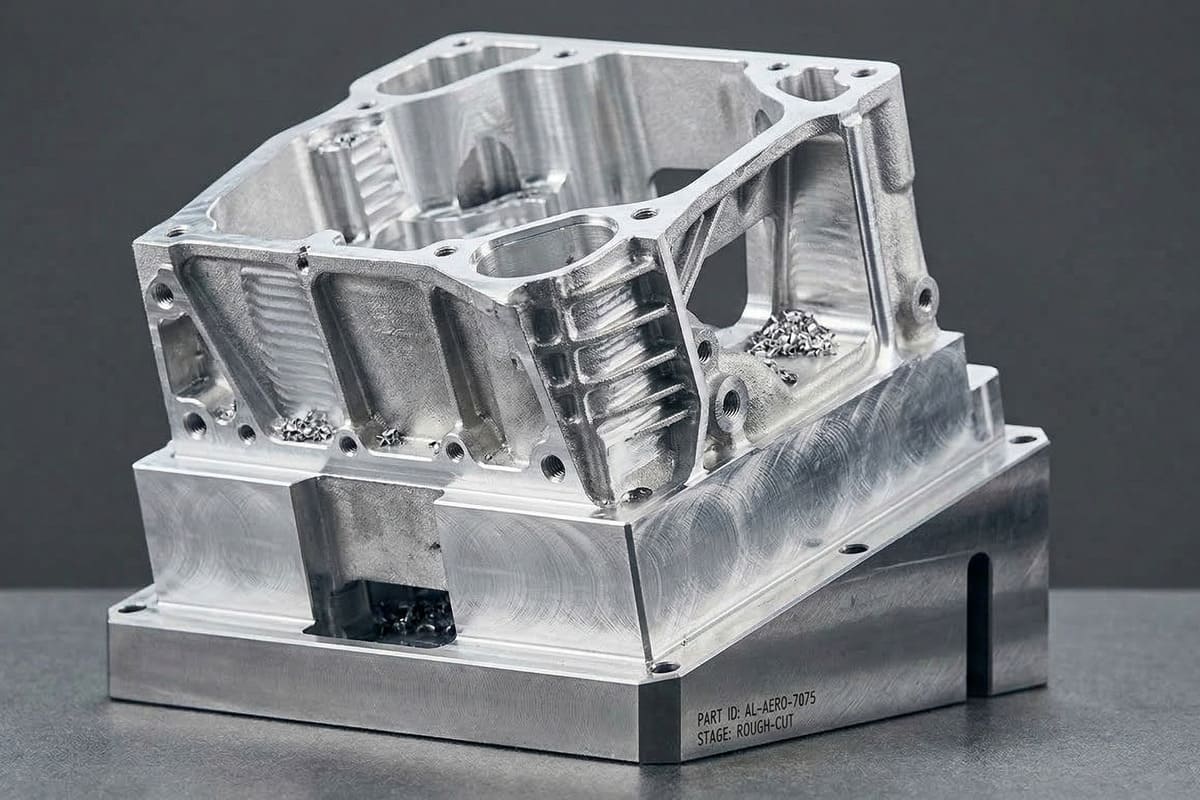
In addition to CNC machining, many advanced manufacturers also offer complementary processes such as sheet metal fabrication and 3D printing. These capabilities enable faster prototyping, design validation, and a smoother transition from low-volume production to full-scale manufacturing.
Company Overview
Fathom is a manufacturing technology company that provides advanced product development and manufacturing services. The company combines CNC machining with additive manufacturing to support complex engineering projects.
Fathom works closely with product development teams to help transform early-stage concepts into production-ready components.
Key Capabilities
CNC machining
additive manufacturing
design and engineering support
Industries Served
aerospace
robotics
industrial automation
consumer products
Best For
Fathom is well suited for companies developing advanced engineering products that require both prototyping and manufacturing support.
Company Overview
eMachineShop focuses on simplifying the process of ordering custom machined parts through its proprietary CAD software and online ordering platform.
The company enables customers to design parts using its software and receive manufacturing services directly through its integrated production system.
Key Capabilities
CNC machining
custom metal and plastic parts
online part design and ordering
Industries Served
electronics
industrial hardware
consumer products
Best For
eMachineShop is suitable for companies and individuals that need simple custom parts without complex manufacturing requirements.
Company Overview
Owens Industries is widely recognized for its expertise in ultra-precision CNC machining. The company specializes in manufacturing extremely complex components with tight tolerances for industries where accuracy and reliability are critical.
With decades of experience in precision manufacturing, Owens Industries focuses on producing highly specialized parts that require advanced machining techniques and meticulous quality control.
Key Capabilities
ultra-precision CNC machining
complex multi-axis machining
tight tolerance manufacturing
advanced inspection and quality control
Industries Served
aerospace
optics and photonics
medical equipment
advanced engineering
Best For
Owens Industries is particularly suitable for projects that require extremely high precision and advanced machining expertise.
Company Overview
Pioneer Service is a precision machining manufacturer known for its strong capabilities in Swiss machining and complex component production.
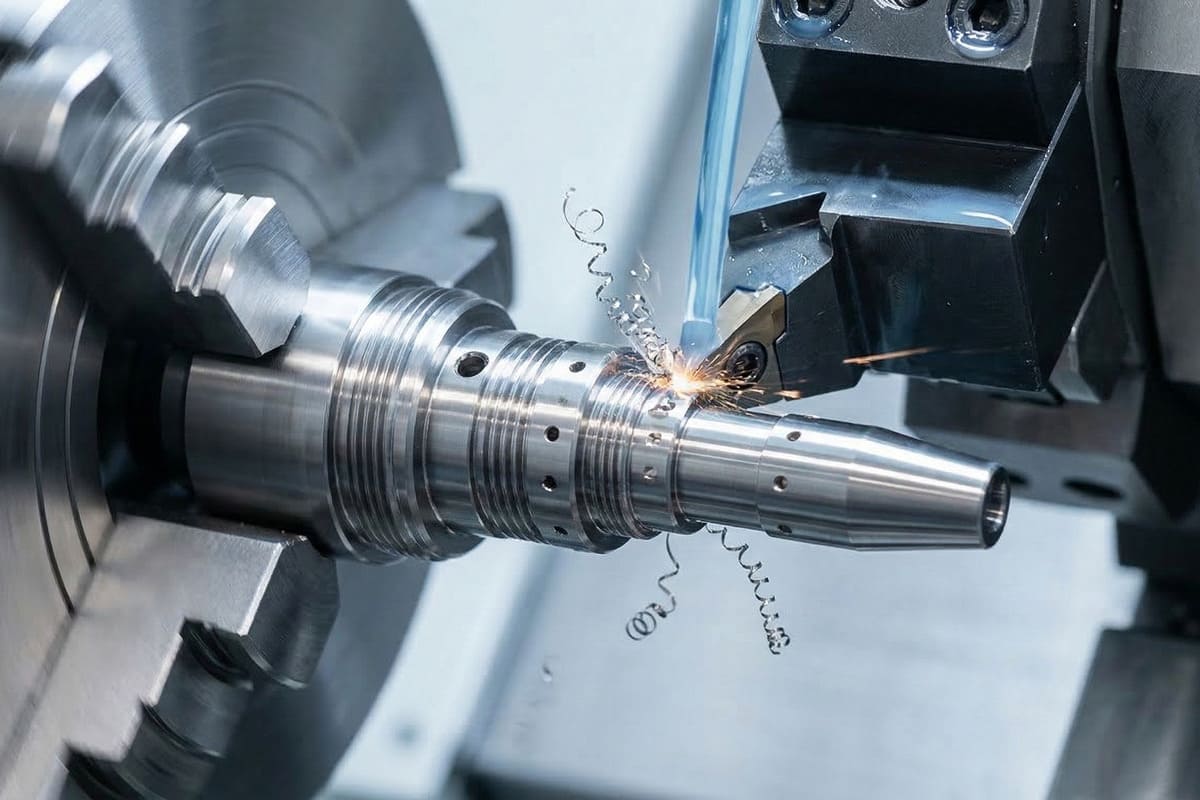
The company has developed extensive experience in producing high-precision parts used in medical devices, industrial equipment, and specialized engineering systems.
Key Capabilities
Swiss CNC machining
precision turning
small complex components
tight tolerance manufacturing
Industries Served
medical device manufacturing
aerospace components
industrial equipment
Best For
Pioneer Service is well suited for projects involving complex small components and precision-machined parts.

Company Overview
Cox Manufacturing specializes in high-precision turned components and complex Swiss-machined parts. The company has developed a strong reputation for producing small, highly intricate components used in demanding engineering applications.
Cox Manufacturing focuses on advanced machining technologies that allow for consistent production of high-quality precision components.
Key Capabilities
precision turning
Swiss machining
small complex metal components
high-volume precision production
Industries Served
aerospace
defense
industrial manufacturing
Best For
Cox Manufacturing is ideal for projects requiring small, complex precision-turned components.
Company Overview
Astro Machine Works provides advanced CNC machining and manufacturing services for large and complex engineering systems. The company specializes in machining components used in industrial equipment, energy systems, and advanced manufacturing infrastructure.
Astro Machine Works combines engineering expertise with modern machining technologies to support challenging production requirements.
Key Capabilities
complex CNC machining
large-component machining
precision engineering support
custom manufacturing solutions
Industries Served
energy and power systems
industrial equipment
aerospace manufacturing
Best For
Astro Machine Works is particularly suited for large or complex mechanical components used in industrial systems.
Company Overview
RAM Tool is an aerospace machining and tooling manufacturer specializing in precision components used in aircraft systems and defense applications.
The company is known for its expertise in aerospace-grade machining and its ability to produce highly accurate components that meet strict industry standards.
Key Capabilities
aerospace CNC machining
complex precision components
high-performance alloy machining
Industries Served
aerospace
aviation
defense manufacturing
Best For
RAM Tool is best suited for aerospace manufacturing projects that require extremely high levels of precision and reliability.
Company Overview
NAITE TECH is a precision CNC machining manufacturer with more than 30 years of machining experience, supporting customers in over 100 regions worldwide. The company focuses on producing high-precision custom metal components for international engineering and manufacturing companies.
As a reliable global manufacturing partner, NAITE TECH provides custom CNC machining services with a strong focus on precision, efficiency, and scalability. From rapid prototyping to mass production, the company supports a wide range of industries with consistent quality and fast turnaround times.
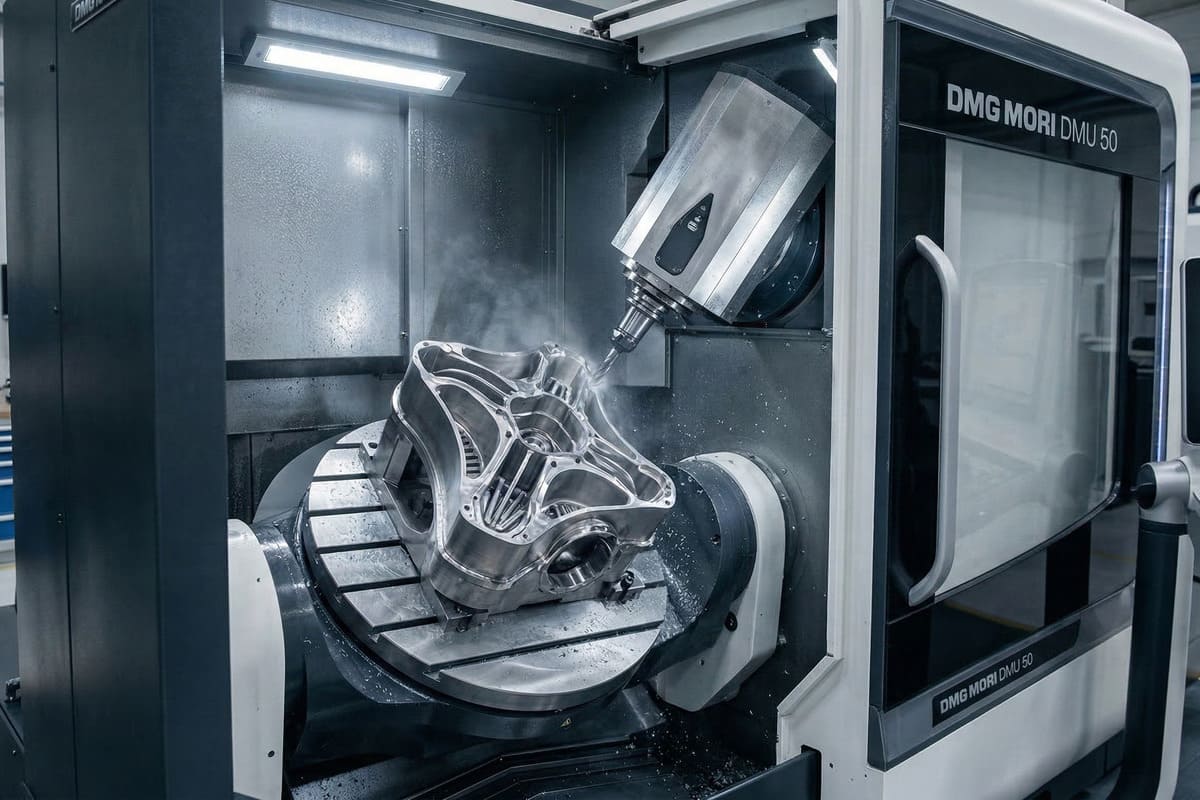
For complex geometries and high-precision requirements, advanced multi-axis machining capabilities play a critical role. This allows manufacturers to achieve tighter tolerances, improved surface finishes, and reduced setup times for demanding projects.
Unlike many platform-based manufacturing services, NAITE TECH operates as a direct manufacturing provider, allowing for closer quality control, efficient production management, and strong engineering collaboration with customers.
Over the years, the company has successfully completed more than 50,000 complex machining projects, supporting industries that require reliable and consistent precision components.

Advanced CNC Equipment
NAITE TECH operates advanced machining equipment from globally recognized manufacturers, including:
Tsugami CNC Swiss machines
Miyano precision turning centers
Citizen sliding head lathes
STAR Swiss machining systems
Brother machining centers
Mazak multi-axis machining systems
This equipment enables the production of complex components with tight tolerances and consistent quality across different production volumes.

Key Capabilities
CNC milling
CNC turning
Swiss machining
multi-axis precision machining
custom metal component manufacturing
tight tolerance machining
Industries Served
industrial equipment
robotics and automation
automotive components
electronics hardware
precision mechanical systems
Best For
NAITE TECH is particularly suitable for companies that need:
precision CNC machining suppliers
complex custom metal components
prototype to medium-volume production
reliable global manufacturing partners
Material selection plays a critical role in CNC machining performance. Common options include aluminum for lightweight structures, stainless steel for corrosion resistance, and high-performance plastics for complex and cost-sensitive applications. Understanding these material characteristics helps ensure optimal part performance and manufacturability.
As global manufacturing continues to evolve, many companies are evaluating whether to work with domestic CNC machining suppliers in the United States or partner with international manufacturers.

Both options offer unique advantages depending on the specific requirements of a project. While American CNC machining companies are well known for their engineering expertise and strict quality standards, global manufacturing partners can often provide greater production flexibility and competitive pricing.
Understanding the differences between domestic and international CNC machining suppliers can help businesses make more informed sourcing decisions.
Below is a comparison of several key factors companies often consider when selecting a manufacturing partner.
| Factor | USA CNC Manufacturers | Global CNC Manufacturers |
|---|---|---|
| Manufacturing Cost | Generally higher due to labor and operational costs | Often more competitive, especially for medium-volume production |
| Lead Time | Faster for local prototype projects | Flexible depending on logistics and production planning |
| Engineering Collaboration | Strong communication with local engineering teams | Many global suppliers offer dedicated engineering support |
| Production Capacity | Some shops specialize in small batches | Often more scalable for medium and large production runs |
| Equipment Availability | Advanced CNC machining technologies | Many modern facilities operate similar high-end equipment |
| Supply Chain Flexibility | Primarily domestic manufacturing | Greater flexibility through global supply networks |
In practice, many companies today adopt a hybrid manufacturing strategy. This approach involves working with domestic CNC machining companies for early-stage development or highly specialized components while partnering with international manufacturers for scalable production and cost optimization.
Global manufacturing partners such as NAITE TECH support international clients by providing precision CNC machining services, engineering collaboration, and flexible production capacity for complex custom components.
By combining domestic expertise with global manufacturing capabilities, companies can often achieve an optimal balance between quality, cost efficiency, and production scalability.
Selecting the right CNC machining manufacturer is a critical step for companies that rely on precision components for their products. A capable manufacturing partner not only ensures part accuracy and quality but can also help reduce production risks, optimize design manufacturability, and improve overall supply chain efficiency.
Because CNC machining suppliers vary significantly in terms of technical capability, equipment, and quality management, companies should evaluate several key factors before choosing a long-term manufacturing partner.
While evaluating CNC machining companies in the USA, it can also be useful to compare suppliers from other regions. Many buyers explore CNC machining companies in China for cost-effective production, or review global CNC machining manufacturers to identify the best partners worldwide. This broader comparison helps balance cost, quality, and lead time more effectively.
The first factor to evaluate is whether the manufacturer has the technical capability to produce your parts accurately and efficiently.
Different suppliers specialize in different machining processes, such as:
CNC milling
CNC turning
Swiss machining
5-axis machining
complex multi-axis manufacturing
A capable manufacturer should also have experience machining a wide range of engineering materials, including aluminum alloys, stainless steel, titanium, brass, copper, and engineering plastics.
Working with a technically experienced CNC machining company can significantly reduce production challenges when manufacturing complex parts.
Many industries require extremely tight dimensional tolerances. For example:
aerospace components
robotics systems
medical equipment
precision mechanical assemblies
Before selecting a supplier, it is important to confirm the machining tolerances they can consistently achieve.
High-quality CNC machining manufacturers typically maintain tolerance capabilities ranging from ±0.01 mm to ±0.005 mm, depending on part geometry and machining processes.
Additionally, reliable suppliers often use advanced inspection equipment such as:
coordinate measuring machines (CMM)
optical measurement systems
precision gauges
These systems ensure dimensional accuracy and consistent product quality.
The quality of CNC equipment used by a manufacturer plays a major role in machining performance and production consistency.
Advanced machining centers from leading brands can improve machining accuracy, surface finish, and overall production efficiency.
For example, many high-end machining facilities operate equipment from manufacturers such as:
Mazak
Brother Industries
Tsugami
Citizen Machinery
Access to modern CNC equipment allows manufacturers to produce complex geometries while maintaining tight tolerances and stable production quality.
Another key consideration is whether the supplier can support both current and future production requirements.
Some CNC machining shops specialize in prototyping and low-volume manufacturing, while others are capable of supporting medium- to high-volume production.
A reliable manufacturing partner should be able to:
support prototype development
scale production efficiently
maintain consistent quality across production batches
Production scalability becomes especially important when a product transitions from prototype to full production.
CNC machining is often only one step in the manufacturing process. Many precision components also require surface finishing to improve durability, appearance, or corrosion resistance.

Common finishing options include:
anodizing
sandblasting
polishing
powder coating
plating
Working with a manufacturer that offers integrated finishing services can simplify supply chain management and reduce production lead times.
Quality assurance is one of the most important aspects of precision manufacturing.
Before selecting a CNC machining supplier, companies should verify whether the manufacturer operates under recognized quality standards such as:
ISO 9001 quality management systems
industry-specific certifications (depending on application)
In addition, strong quality control processes should include:
incoming material inspection
in-process quality checks
final inspection before shipment
These procedures ensure that parts consistently meet engineering specifications.
Effective communication between customers and manufacturers is essential, particularly when producing complex components.
An experienced CNC machining partner should be able to provide:
design for manufacturability (DFM) feedback
machining feasibility analysis
engineering recommendations to improve part performance
Many companies prefer working with suppliers that provide direct engineering collaboration rather than simple contract manufacturing.
Manufacturers such as NAITE TECH emphasize engineering collaboration to help customers optimize designs, reduce machining complexity, and improve overall production efficiency.
The CNC machining industry continues to evolve as manufacturers adopt new technologies to improve production efficiency, precision, and supply chain flexibility. As global industries demand increasingly complex components and shorter product development cycles, CNC machining companies are investing heavily in automation, digital manufacturing systems, and advanced machining technologies.
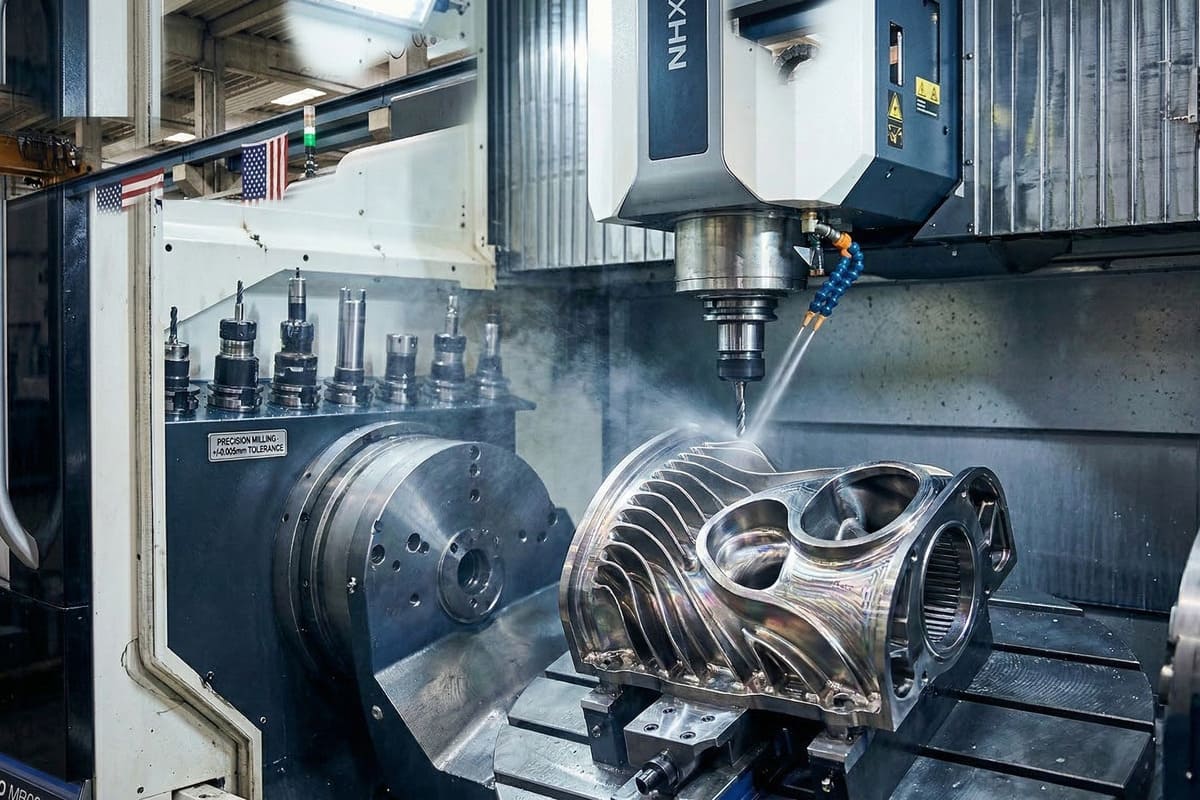
Understanding these emerging trends can help businesses choose manufacturing partners that are well positioned to support future engineering and production requirements.
Below are several key trends shaping the CNC machining industry in the coming years.
Multi-axis machining has become one of the most important advancements in modern CNC manufacturing.
Traditional 3-axis machining is often sufficient for basic parts, but complex components frequently require 4-axis or 5-axis machining systems to achieve the required geometry and accuracy.
Multi-axis machining offers several advantages:
the ability to machine complex geometries in a single setup
improved surface finish
reduced machining time
higher dimensional accuracy
Because of these advantages, many advanced manufacturing companies now rely heavily on multi-axis machining centers from manufacturers such as Mazak and DMG MORI.
Automation is rapidly transforming the CNC machining industry.
Many modern manufacturing facilities are integrating automation technologies such as:
robotic part loading systems
automated tool monitoring
digital production management systems
machine data analytics
These technologies help manufacturers reduce human error, improve production consistency, and operate machining centers with greater efficiency.
Automation also allows CNC machining companies to maintain high productivity while addressing global labor shortages in advanced manufacturing industries.
Another emerging trend is the rise of digital manufacturing platforms that allow customers to upload CAD models and receive instant quotes for CNC machining services.
Companies such as Xometry and Protolabs have popularized this model, enabling engineers to source parts quickly through online platforms.
While these services are particularly useful for rapid prototyping and small production runs, many companies still prefer working directly with dedicated manufacturing partners when producing complex or high-precision components.
Direct manufacturing providers can often offer closer engineering collaboration and stronger quality control compared with distributed supplier networks.
In recent years, many companies have begun diversifying their manufacturing supply chains to reduce production risks and improve cost efficiency.
Rather than relying on a single supplier or geographic region, manufacturers increasingly work with a mix of domestic and international CNC machining partners.
This approach allows businesses to balance:
production capacity
cost efficiency
lead time flexibility
supply chain resilience
Global manufacturing companies such as NAITE TECH support international clients by providing precision CNC machining services while maintaining consistent quality and scalable production capacity.
As engineering products become more sophisticated, CNC machining companies are increasingly required to process advanced materials such as:
titanium alloys
high-strength stainless steels
aerospace aluminum alloys
engineering plastics and composites
Machining these materials requires specialized tooling, advanced machining strategies, and high-performance CNC equipment.
Manufacturers that invest in modern machining technologies are better equipped to support industries that demand extremely high performance and precision components.

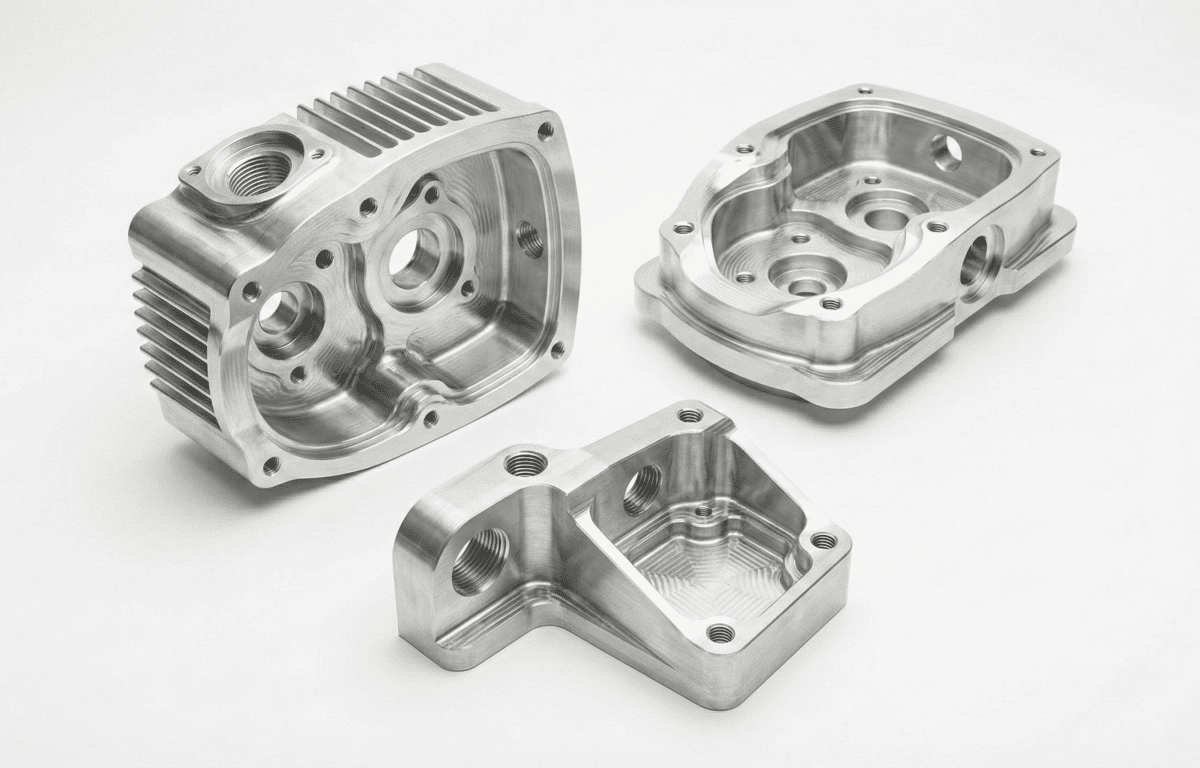
A CNC machining company manufactures precision components using computer-controlled machine tools. These machines follow digital instructions generated from CAD models to remove material from metal or plastic workpieces.
Common CNC machining processes include:
CNC milling
CNC turning
Swiss machining
multi-axis machining
CNC machining manufacturers typically support industries that require high precision components, including aerospace, automotive, robotics, electronics, and industrial equipment.
Choosing the right CNC machining manufacturer requires evaluating several important factors:
machining capabilities and equipment
tolerance and precision control
engineering support and communication
production capacity and scalability
quality control systems and certifications
Companies should also review previous project experience and ensure that the manufacturer can consistently meet required tolerances and delivery timelines.
CNC machining is widely used across many advanced manufacturing sectors. Some of the most common industries include:
aerospace and aviation
automotive manufacturing
robotics and automation
electronics hardware
medical equipment
industrial machinery
These industries rely on CNC machining because it provides high accuracy, repeatability, and the ability to manufacture complex components.
The cost of CNC machining in the United States can vary significantly depending on several factors, including:
part complexity
material type
machining time
tolerance requirements
production volume
Due to higher labor and operating costs, CNC machining prices in the United States are often higher than in some international manufacturing regions.
For this reason, many companies combine domestic suppliers with global manufacturing partners to balance cost, quality, and lead time.
In many cases, CNC machining services from international manufacturers can be more cost-effective, especially for medium-volume production.
Global suppliers often benefit from:
lower manufacturing costs
scalable production capacity
flexible supply chain structures
Manufacturers such as NAITE TECH support international customers by providing precision machining services while maintaining competitive pricing and consistent quality.
Professional CNC machining companies typically support a wide range of engineering materials, including:
aluminum alloys
stainless steel
carbon steel
brass and copper
titanium alloys
engineering plastics such as POM, ABS, and nylon
The choice of material depends on the required mechanical properties, corrosion resistance, and application environment.
Most professional CNC machining manufacturers can achieve tolerances in the range of:
±0.01 mm to ±0.005 mm, depending on the part geometry, material, and machining process.
High-precision industries such as aerospace and medical equipment may require extremely tight tolerances, which require advanced CNC equipment and strict quality control systems.
CNC milling and CNC turning are two of the most common machining processes.
CNC milling
rotating cutting tools remove material
workpiece remains stationary
ideal for complex shapes and surfaces
CNC turning
the workpiece rotates
cutting tools remove material along the outer surface
ideal for cylindrical or rotational components
Many CNC machining manufacturers provide both services to support different types of precision parts.
Production lead times vary depending on part complexity and order quantity.
Typical lead times may include:
prototypes: 3–7 days
small batch production: 1–3 weeks
medium-volume production: 3–6 weeks
Lead time can also depend on material availability, machining complexity, and required surface finishing processes.
Yes. Many experienced CNC machining manufacturers provide Design for Manufacturability (DFM) support.
This includes helping engineers:
simplify part geometry
reduce machining time
improve structural strength
lower manufacturing costs
Manufacturers with strong engineering teams can significantly improve production efficiency by optimizing designs before manufacturing begins.


