
- Home
- Capabilities
- Solution
- Material
- Industry
- Resources
- Request a Quote
Views: 0 Author: Site Editor Publish Time: 2026-07-03 Origin: Site
Canada is an important market for CNC machining, precision manufacturing, industrial components, aerospace parts, medical device components, automotive parts, robotics hardware, and high-quality machined products. With a strong manufacturing base across Ontario, Quebec, British Columbia, Alberta, and other regions, many buyers consider Canada when looking for CNC machining companies, precision machine shops, and North American manufacturing partners.
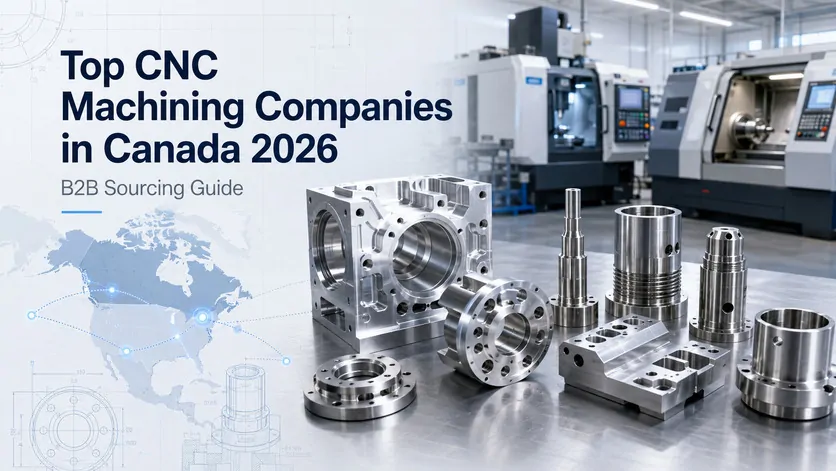
For B2B buyers, however, choosing a CNC machining company in Canada is not only about finding a local machine shop. Some Canadian companies focus on custom CNC machined parts, CNC milling, CNC turning, prototypes, and low-volume production. Others are precision component manufacturers serving aerospace, medical, automotive, defense, energy, automation, and industrial equipment markets. Some companies may also be CNC machine tool suppliers, equipment distributors, or broader contract manufacturing partners. These supplier types are different, and choosing the wrong one can slow down the RFQ process.
This guide reviews the top CNC machining companies in Canada for 2026 from a practical sourcing perspective. Instead of ranking companies only by size or brand awareness, we look at the factors that matter to engineers, procurement teams, product developers, OEMs, and overseas buyers. These factors include machining capabilities, materials, tolerance control, quality inspection, surface finishing options, prototype support, production flexibility, lead time, communication, and supplier fit.
Canadian CNC machining suppliers can be attractive for buyers who need local North American supply chains, high-precision manufacturing, aerospace machining experience, medical and industrial component support, and easier communication within Canada or the United States. For projects that require local supplier qualification, domestic production, regional logistics, or North American engineering support, Canada can be a strong sourcing option.
At the same time, buyers comparing global CNC machining suppliers may also consider China when they need faster quotation, flexible MOQ, lower overall manufacturing cost, broader material options, stronger surface finishing coordination, and prototype-to-production support. For many custom CNC machining projects, the best choice is not simply Canada or China. It depends on the drawing, material, tolerance requirements, order quantity, budget, delivery schedule, quality documentation, and communication needs.
For this reason, this article also compares Canadian CNC machining suppliers with Chinese CNC machining suppliers. The goal is not to suggest that one country is always better than the other. Instead, it helps buyers understand which sourcing option fits their project: Canada for local North American supply chain support and high-precision manufacturing, or China for flexible custom CNC machining, fast RFQ response, low-volume production, finishing coordination, and cost-effective manufacturing.
If you are comparing CNC machining companies in Canada but also want a flexible China-based option, NAITE TECH can support your project as a China-based CNC machining partner for custom metal and plastic parts. Our team also supports prototype-to-low-volume CNC production for global B2B buyers who need engineering review, fast quotation, flexible quantities, finishing coordination, and export-ready manufacturing support.
Why Buyers Source CNC Machining Services from Canada
Canada is often considered by buyers who need reliable CNC machining services, precision components, and North American manufacturing support. For companies based in Canada or the United States, working with a Canadian CNC machine shop can offer advantages in communication, logistics, supplier qualification, engineering collaboration, and regional supply chain planning.
Canadian CNC machining suppliers are especially relevant for industries that require accuracy, repeatability, documentation, and long-term supplier reliability. These may include aerospace, medical devices, automotive, defense, energy, robotics, automation, industrial equipment, electronics hardware, and machinery. In these industries, buyers often care about more than unit price. They also need quality control, material traceability, inspection reports, supplier communication, and consistent production performance.
At the same time, Canada is usually not selected as a low-cost CNC machining destination. Labor cost, overhead, local compliance, and production economics can make Canadian machining more expensive than many overseas options. For this reason, buyers often compare Canadian CNC machining suppliers with China-based CNC machining suppliers when evaluating custom parts, prototypes, small batches, and cost-sensitive production.
Canada has a strong precision manufacturing base supported by aerospace, automotive, medical, energy, industrial equipment, and advanced manufacturing sectors. Many Canadian CNC machining companies are experienced in producing parts that require tight tolerances, accurate dimensions, repeatability, and reliable inspection.
This makes Canada attractive for buyers who need precision machined components rather than simple commodity parts. Common examples include aerospace brackets, medical device components, automation parts, robotics hardware, machine components, test fixtures, shafts, bushings, housings, and industrial equipment parts.
A strong precision manufacturing base can be valuable when the project requires supplier stability, engineering discussion, local quality expectations, and long-term production support. Canadian suppliers may be especially useful for companies that need local supplier approval, North American production, or close communication during the development and manufacturing process.
Canadian CNC machining suppliers often serve industries where quality, documentation, and process control are important. Aerospace machining may require tight tolerances, stable processes, material traceability, and detailed inspection. Medical device components may require clean machining, consistent dimensions, material control, and careful surface quality. Automotive and industrial equipment parts may require repeatability, durable materials, and reliable batch production.
These applications often involve components such as brackets, housings, fittings, shafts, pins, bushings, sleeves, connectors, fixtures, jigs, covers, plates, structural components, and precision mechanical parts. Depending on the part geometry, buyers may need CNC milling, CNC turning, 5-axis machining, Swiss machining, grinding, EDM, heat treatment, or surface finishing.
For complex components with multiple machined faces, angled features, curved surfaces, or tight positional relationships, buyers should confirm whether the supplier can support multi-axis machining for complex parts. For small shafts, pins, connectors, bushings, and other compact precision components, Swiss-style machining for small components may be more suitable.
One reason buyers choose Canadian CNC machining suppliers is the advantage of a North American supply chain. For Canadian and U.S. companies, sourcing from Canada can simplify communication, reduce time zone challenges, support regional logistics, and make supplier visits easier.
This can be useful for companies that need local engineering collaboration, supplier audits, domestic production, regional inventory planning, or compliance with internal sourcing policies. For projects involving aerospace, defense, medical devices, government-related work, or regulated industries, local or regional sourcing may also be important for qualification and documentation reasons.
Canadian suppliers may also be helpful when buyers need closer communication during product development. Engineering teams may prefer to work with a nearby supplier when they need repeated design reviews, prototype testing, assembly checks, and production feedback.
However, North American supply chain advantages must be balanced against cost, capacity, lead time, MOQ, and finishing capability. For some projects, especially custom CNC parts, prototypes, and low-volume production, an overseas supplier may provide better flexibility and cost efficiency.
Although Canada has strong precision manufacturing capability, buyers may face challenges when sourcing CNC machined parts from Canadian suppliers. The most common challenges include higher manufacturing cost, limited flexibility for very small orders, longer quotation cycles for complex projects, and higher cost for finishing or secondary operations.
Cost is often the biggest consideration. Canadian CNC machining suppliers may be excellent for local production and high-precision components, but the total price can be higher than sourcing from China. This is especially noticeable for prototypes, custom parts, small batches, aluminum components, turned parts, and parts requiring surface finishing.
MOQ can also vary. Some Canadian suppliers are flexible for prototypes and low-volume work, while others may prefer repeat production, larger orders, or industry-specific programs. Buyers should confirm whether the supplier accepts small batches, one-off custom parts, engineering samples, or changing design requirements.
Lead time depends on material availability, machine capacity, finishing requirements, inspection workload, and supplier schedule. Local sourcing can reduce shipping time, but it does not always guarantee faster total project delivery. If a supplier has limited capacity or requires outsourcing for finishing, the overall lead time may still be longer than expected.
For buyers who need fast RFQ response, flexible quantities, small-batch production, and finishing coordination, it may be practical to compare Canadian suppliers with China-based options. NAITE TECH supports fast prototype machining and trial production for buyers who need engineering samples, functional prototypes, low-volume production, and repeat custom CNC parts.
Choosing a CNC machining company in Canada requires more than checking whether a supplier has CNC machines or serves a local market. For B2B buyers, the more important question is whether the supplier can understand drawings, review tolerances, machine the required materials, inspect critical dimensions, communicate clearly, and deliver parts according to the project schedule.
To make this guide useful for engineers, procurement teams, product developers, OEMs, and overseas buyers, we evaluated CNC machining companies in Canada based on practical sourcing factors. These include machining capabilities, industry experience, precision control, material options, surface finishing support, quality inspection, prototype capability, low-volume production support, communication, lead time, and supplier fit for North American or global buyers.
We also considered whether each company is suitable for buyers who need finished CNC machined components, not only buyers looking for machine tools, equipment, or general manufacturing support. This distinction is important because Canadian search results may include local CNC machine shops, precision component manufacturers, aerospace machining suppliers, medical device machining companies, contract manufacturers, and CNC machine tool or equipment suppliers. These companies can all be related to CNC machining, but they do not serve the same buyer need.
A strong CNC machining supplier should support the full sourcing process, from RFQ review and drawing feedback to machining, inspection, finishing, packaging, and delivery. The supplier should be able to review 2D drawings and 3D CAD files, confirm the machining process, identify manufacturing risks, and provide a clear quotation based on material, tolerance, quantity, and lead time.
For Canadian suppliers, we also considered their fit for North American buyers. This includes local communication, industry experience, precision manufacturing capability, quality documentation, and ability to support aerospace, medical, automotive, industrial equipment, energy, robotics, or automation projects.
For buyers comparing Canada with overseas manufacturing options, it is also useful to evaluate whether a China-based supplier can provide faster quotation, flexible MOQ, broader material options, finishing coordination, and multi-process CNC manufacturing support for custom parts.
The first factor we considered was machining capability. A capable CNC machining supplier should support common processes such as CNC milling, CNC turning, drilling, tapping, threading, boring, reaming, and finishing. For more demanding projects, buyers may also need 5-axis CNC machining, Swiss machining, grinding, EDM, wire EDM, heat treatment, surface finishing, or assembly support.
Different part geometries require different processes. Housings, brackets, plates, covers, fixtures, heat sinks, and components with pockets or flat surfaces are often produced by CNC milling. Shafts, pins, bushings, sleeves, spacers, fittings, and threaded round parts usually require CNC turning. Complex components with multiple machined faces, curved surfaces, angled features, or tight positional relationships may require 5-axis machining. Small, slender, or close-tolerance turned parts may be better suited for Swiss machining.
For buyers comparing Canadian suppliers with China-based options, NAITE TECH provides support for milled parts, turned components, complex machined components, aluminum parts, small precision parts, prototypes, and low-volume production.
Precision is one of the most important factors when choosing a CNC machining supplier in Canada. This is especially true for aerospace, medical device, automotive, energy, robotics, automation, and industrial equipment applications, where dimensional accuracy and repeatability can affect product performance and assembly reliability.
Buyers should check whether the supplier can hold the required tolerances, inspect critical dimensions, and provide quality documentation when needed. Depending on the project, this may include material certificates, first article inspection reports, dimensional inspection reports, CMM measurement data, thread inspection records, surface roughness checks, and final inspection reports.
A reliable supplier should also review drawings before production and identify manufacturing risks early. If a part includes thin walls, deep holes, bearing fits, sealing surfaces, threaded features, tight flatness requirements, or complex geometry, the supplier should be able to explain the risk and suggest a practical machining approach.
Tolerance should also be used carefully. Over-tolerancing every dimension can increase machining cost, inspection time, and supplier difficulty. A good CNC machining supplier should help buyers distinguish between critical dimensions and general dimensions so that the part can be manufactured accurately and cost-effectively.
Material capability is another important part of supplier evaluation. Common CNC machining materials include aluminum, stainless steel, carbon steel, alloy steel, brass, copper, titanium, POM, nylon, ABS, PEEK, and other engineering plastics. The right supplier should understand how each material affects machining time, cost, tolerance stability, surface finish, corrosion resistance, strength, and final part performance.
Surface finishing should also be reviewed before choosing a supplier. CNC machined parts may require anodizing, bead blasting, polishing, passivation, plating, black oxide, powder coating, heat treatment, laser marking, engraving, or other post-processing. These finishing steps can affect tolerance, appearance, corrosion resistance, hardness, and assembly fit.
For lightweight housings, brackets, fixtures, covers, panels, heat sinks, robotics parts, electronic enclosures, and prototype components, buyers can also consider custom aluminum part machining when comparing Canadian suppliers with overseas options.
Not every CNC machining project starts with production. Many buyers first need prototypes, engineering samples, test parts, trial batches, or low-volume production before scaling to larger orders. This is common for product developers, robotics companies, automation equipment builders, medical device teams, automotive engineering groups, aerospace suppliers, industrial equipment manufacturers, and startups.
Supplier flexibility becomes important at this stage. A strong CNC machining supplier should be able to support drawing revisions, material changes, design feedback, low-volume orders, repeat small batches, and production transition. Some Canadian suppliers are excellent for long-term production or industry-specific programs, while others may be more suitable for prototypes and custom parts.
For buyers who need fast design validation before production, NAITE TECH supports fast prototype machining and trial production to help test fit, function, assembly, and performance before larger production orders.
For Canadian and U.S. buyers, local CNC machining suppliers can offer advantages in communication, regional logistics, supplier visits, quality audits, and North American supply chain planning. These advantages may be important for regulated industries, local manufacturing programs, or companies that require domestic supplier approval.
However, technical capability alone is not enough. A supplier also needs clear communication, reliable quotation workflow, realistic lead time planning, export or domestic delivery experience, packaging knowledge, and the ability to understand customer quality expectations.
For international buyers, the best supplier is usually the one that fits the project requirements, not simply the one located closest to the buyer. Canadian suppliers may be attractive for local production, high-precision manufacturing, and regional supply chain needs. China-based suppliers may be attractive for fast quotation, flexible MOQ, low-volume production, broad material availability, finishing coordination, and cost-effective custom CNC manufacturing.
When researching CNC machining companies in Canada, buyers may find different types of companies in search results. Some are CNC machine shops that produce custom machined parts. Some are precision component manufacturers serving aerospace, medical, automotive, energy, robotics, automation, and industrial equipment markets. Others may be CNC machine tool suppliers, equipment distributors, or contract manufacturers that provide broader production support.
This distinction matters because not every company that appears under “CNC machining Canada” is suitable for the same type of project. A machine tool supplier may sell CNC equipment, but may not manufacture finished parts for customers. A precision component manufacturer may be strong for repeat production, but may not accept small prototype orders. A local CNC machine shop may be flexible for custom parts, but may not have the same documentation systems required for aerospace or medical projects.
For B2B buyers, the first question is simple: do you need CNC machined parts, precision components, CNC equipment, or broader contract manufacturing support?
CNC machine shops manufacture parts according to customer drawings, CAD files, material requirements, tolerances, and order quantities. These suppliers may support CNC milling, CNC turning, drilling, tapping, threading, boring, reaming, grinding, EDM, 5-axis machining, Swiss machining, inspection, finishing, and assembly.
For most buyers searching for CNC machining companies in Canada, this is the most relevant supplier category. A CNC machine shop can produce prototypes, engineering samples, low-volume batches, repeat production parts, fixtures, machine components, and custom metal or plastic parts.
If your project includes housings, brackets, plates, covers, fixtures, heat sinks, electronic enclosures, or parts with pockets and flat surfaces, you may need CNC milling for housings and brackets. If your project includes shafts, pins, bushings, sleeves, spacers, threaded components, or round parts, you may need lathe machining for precision round parts.
Precision component manufacturers often focus on parts that require repeatability, inspection, quality control, documentation, and stable production processes. These companies may serve aerospace, medical devices, automotive, defense, energy, robotics, automation, machinery, electronics, and industrial equipment markets.
A precision component manufacturer may provide CNC machining as part of a broader manufacturing system. In addition to milling and turning, the company may support grinding, EDM, finishing, assembly, testing, quality documentation, material traceability, and production management.
This type of supplier can be useful when buyers need long-term production, consistent quality, strict inspection, or industry-specific manufacturing experience. However, some precision component manufacturers may not be the best fit for one-off prototype parts, very small batches, or fast-changing design projects.
Before sending an RFQ, buyers should confirm whether the supplier accepts prototypes, low-volume production, design revisions, and small custom orders. Buyers should also ask whether the supplier can provide dimensional inspection reports, material certificates, CMM measurement, first article inspection, or other quality documents when needed.
CNC machine tool suppliers and equipment distributors sell CNC machines, machining centers, CNC lathes, turning centers, tooling, automation systems, fixtures, software, and related manufacturing equipment. These companies are important to the Canadian manufacturing ecosystem because machine shops and component manufacturers rely on reliable equipment to produce accurate parts.
However, a CNC machine tool supplier is not the same as a CNC machining service supplier. If your goal is to buy machines, tooling, or equipment, then a machine tool supplier may be the right contact. If your goal is to buy finished machined parts, then you need a CNC machine shop, precision machining supplier, or contract manufacturing partner.
This difference is important because buyers sometimes search for “CNC companies in Canada” and find both equipment sellers and parts manufacturers. Sending a part RFQ to an equipment supplier can waste time if the company does not provide machining services.
The difference between supplier types affects the RFQ process, quotation speed, minimum order quantity, quality documentation, communication, and final deliverable.
A CNC machine shop usually quotes finished parts from drawings. A precision component manufacturer may focus on repeat production and quality-controlled components. A machine tool supplier sells equipment. A contract manufacturer may support larger manufacturing programs that include machining, fabrication, assembly, testing, packaging, and supply chain management.
For buyers looking for custom CNC machined parts, the most important supplier is one that can review technical drawings, confirm materials, discuss tolerances, plan machining processes, inspect finished parts, coordinate finishing, and deliver components according to the project schedule.
This distinction is especially important in Canada because many companies serve high-value industries such as aerospace, medical devices, automotive, defense, energy, robotics, automation, and industrial equipment. Some suppliers are better for local North American production and qualified supply chains, while others may be more practical for prototypes, low-volume production, or custom part sourcing.
For complex parts with multiple machined faces, angled features, curved surfaces, deep pockets, or tight positional relationships, buyers may need multi-axis machining for complex parts. For small, slender, or close-tolerance turned components, Swiss-style machining for small components may be a better fit.
The key is to match the supplier type with the project need. If you need CNC machines, contact a machine tool supplier. If you need finished custom parts, contact a CNC machine shop or precision machining supplier. If you need a larger outsourced production program, a contract manufacturer may be suitable. If you need fast quotation, flexible MOQ, prototype support, low-volume production, finishing coordination, and export-ready delivery, a China-based CNC machining supplier may also be worth comparing.
The following companies are selected examples of CNC machining companies, precision machine shops, and component manufacturers in Canada. This is not a simple ranking based only on company size or brand awareness. Instead, the list is designed to help B2B buyers understand different supplier types, machining capabilities, industry focus, and sourcing fit.
Buyers should always contact each supplier directly to confirm current capabilities, materials, certifications, tolerance range, inspection process, lead time, MOQ, and whether the company accepts prototypes, low-volume orders, or custom CNC machining projects.
Macfab and Ben Machine Products are Canadian precision machining and manufacturing companies with a strong position in CNC machining, critical component manufacturing, finishing, assembly, cleaning, and aerospace-related machining. The company is relevant for buyers looking for a Canadian CNC machining supplier with experience in demanding applications and documented quality systems.
For buyers comparing CNC machining companies in Canada, Macfab is a good example of a supplier positioned beyond basic job shop machining. Its services are more suitable for technical components, critical machined parts, product development support, assembly, and precision manufacturing programs.
Precision CNC machining
Critical component manufacturing
CNC machine shop services
Finishing and assembly
Cleanroom-related services
Aerospace machining support
Product development manufacturing
Quality-focused production
Macfab may be suitable for aerospace, advanced manufacturing, industrial, medical, and technology buyers who need precision CNC machining, assemblies, and supplier support for high-value components.
Macfab is likely a better fit for technical and quality-sensitive projects than simple low-cost machining work. Buyers should prepare complete drawings, CAD files, material requirements, tolerance notes, documentation requirements, and finishing expectations before sending an RFQ.
MCI Machining Canada is a precision CNC machine shop in Ontario. It offers CNC machining, 5-axis precision machining, laser cutting, and sheet metal fabrication. The company is positioned toward aerospace, defense, medical, and industrial sectors, making it relevant for buyers looking for a Canadian supplier with multi-process manufacturing capability.
For buyers comparing Canadian CNC machining suppliers, MCI may be useful when the project requires CNC machining combined with fabrication, laser cutting, or sheet metal support.
5-axis CNC machining
Precision machining
Fiber laser cutting
Sheet metal fabrication
Bending and welding
Powder coating support
Aerospace and defense machining
Medical and industrial components
MCI Machining Canada may be suitable for buyers needing precision machined parts, 5-axis CNC machining, fabricated components, and multi-process manufacturing support in Ontario.
Because MCI combines CNC machining with fabrication and laser cutting, it may be especially useful for projects that include both machined components and sheet metal parts. Buyers should confirm whether the project is best suited for CNC-only production or a broader fabrication and machining workflow.
GTA Machining Solutions is a CNC machine shop located in Mississauga, Ontario. The company provides CNC milling, CNC turning, multi-axis machining, metal machining, plastic machining, fabrication, prototyping, and production support.
For buyers searching for CNC machine shops in Toronto or CNC machining companies in Ontario, GTA Machining Solutions is relevant because it directly supports custom CNC machined parts, prototypes, small to large production runs, and inspection-related documentation.
CNC milling
CNC turning
Multi-axis machining
5-axis CNC machining
Prototype machining
Small to large production runs
Metal and plastic machining
Fabrication
Surface finishing support
Inspection reports and quality documentation
GTA Machining Solutions may be suitable for buyers who need custom CNC machined parts, prototypes, low-volume production, metal or plastic components, and CNC machining support near Toronto.
This supplier may be useful for buyers who need flexible machining support in the Greater Toronto Area. Buyers should confirm tolerance requirements, material certificates, finishing requirements, inspection documents, and quotation lead time before placing an order.
Machining Design Associated Ltd. is a Canadian CNC machine shop offering CNC milling, CNC turning, screw machining, CNC lathe services, low-volume and high-volume machining, material-specific machining, and sub-assemblies. The company serves multiple industries, including oil and gas, robotics, mining, automotive, defense, electronics, and medical.
For buyers comparing CNC machining services in Canada, MDA is relevant because it supports both low-volume and high-volume orders and positions itself as a one-stop advanced machining supplier.
CNC milling
CNC turning
CNC lathe machining
Screw machining
Precision CNC parts
Low-volume production
High-volume production
Sub-assemblies
Medical, robotics, automotive, defense, mining, and electronics parts
Machining Design Associated may be suitable for buyers needing precision CNC machined parts, turning and milling services, low-volume batches, production machining, and sub-assembly support.
MDA can be considered when buyers need a Canadian supplier for custom CNC machining across different industries. Buyers should confirm material options, tight tolerance capability, surface finishing, inspection documents, and whether the supplier can support the expected project volume.
CIMtech Manufacturing is a Canadian precision manufacturing and CNC machining company with aerospace-related capabilities. The company provides CNC-machined parts, aerospace tooling, complex assemblies, and precision manufacturing solutions. It is relevant for buyers who need CNC machining support for aerospace, industrial, or complex assembly applications.
For buyers comparing CNC machining companies in Western Canada, CIMtech may be a useful option when aerospace experience, quality documentation, and scalable production are important.
CNC-machined parts
Aerospace tooling
Complex assemblies
Precision manufacturing
CMM inspection
Aerospace-related quality systems
Low-batch and larger-scale production support
CIMtech may be suitable for aerospace, industrial, and technical buyers who need CNC machined parts, tooling, complex assemblies, and inspection-supported manufacturing.
CIMtech is more relevant for projects that require precision manufacturing, aerospace-related process control, and quality documentation. Buyers should confirm material requirements, certification needs, inspection scope, and production quantity before sending an RFQ.
WSS Tech Ltd. is a CNC machine shop located in Milton, Ontario. The company specializes in high-precision machining and has experience manufacturing aircraft components. It offers 3-axis, 4-axis, and 5-axis CNC machining.
For buyers looking for a Canadian precision machining supplier with aerospace or aircraft component experience, WSS Tech is a relevant company to review.
3-axis CNC machining
4-axis CNC machining
5-axis CNC machining
High-precision machining
Aircraft component manufacturing
Quick turnaround machining
CNC milling capacity
WSS Tech may be suitable for buyers who need high-precision CNC machined components, aircraft-related parts, and 5-axis CNC machining support in Ontario.
WSS Tech may be a good fit for technical machining projects that require precision and aerospace experience. Buyers should confirm whether the supplier can support the required material, documentation, inspection reports, order volume, and delivery schedule.
Discovery Precision Machining Inc. is a Canadian precision machining company that provides CNC turning and CNC milling services. It specializes in the development, machining, and manufacturing of assemblies and components for aerospace, electronics, power generation, medical, and molding industries.
For buyers comparing CNC machining companies in Canada, Discovery Precision Machining is relevant because it supports both component manufacturing and industry-specific machining needs.
CNC turning
CNC milling
Precision machining
Component manufacturing
Assembly manufacturing
Aerospace components
Electronics components
Power generation parts
Medical and molding industry parts
Discovery Precision Machining may be suitable for aerospace, electronics, power generation, medical, and molding industry buyers who need CNC turned and milled components.
This supplier may be especially relevant for buyers who need precision components tied to technical industries. Buyers should confirm material capability, inspection requirements, tolerance expectations, and production flexibility before ordering.
Letar Inc. is a precision parts and assembly manufacturer based in Ontario. The company has experience in aerospace and defense and also serves telecommunications, medical robotics, innovation, and general commercial markets.
For buyers comparing Canadian precision component manufacturers, Letar is relevant because it combines machined part manufacturing with assembly capability and experience serving OEM and Tier 1 customers.
Precision parts manufacturing
Assembly manufacturing
Aerospace components
Defense components
Telecommunications parts
Medical robotics components
OEM and Tier 1 supplier support
Quality-focused production
Letar may be suitable for aerospace, defense, medical robotics, telecommunications, and commercial buyers who need precision parts and assembly manufacturing in Canada.
Letar may be more suitable for structured precision component programs than simple one-off machining requests. Buyers should confirm CNC machining scope, part complexity, documentation requirements, lead time, and production quantity before submitting an RFQ.
Shimco is a Canadian manufacturer focused on aerospace-grade shims, shim materials, small precision machined parts, coatings, and light assemblies. It serves aerospace, defense, medical, and industrial supply chains and is positioned as a specialized precision component manufacturer.
Shimco is not a general-purpose CNC machine shop. It is more relevant for buyers who need small precision parts, custom shims, spacers, aerospace-grade components, and quality-controlled production.
Custom aerospace shims
Small precision machined parts
CNC milling
CNC turning
Laminated shims
Tapered shims and spacers
Light assembly
Specialized coatings
Aerospace, defense, medical, and industrial components
Shimco may be suitable for aerospace, defense, medical, and industrial buyers who need small precision parts, shims, spacers, and quality-controlled components.
Shimco should be evaluated as a specialized precision component manufacturer rather than a broad custom CNC machining supplier. Buyers should confirm whether their part type fits Shimco’s core product focus before sending an RFQ.
Palcam Technologies Ltd. is based in Ontario and specializes in replacement components for aluminum high-pressure die casting tooling. The company uses multiple CNC machines, including 5-axis machining centers, and also supports precision machining work beyond die casting tooling.
For buyers looking for Canadian suppliers with strong 5-axis capability, tooling component experience, and inspection support, Palcam may be relevant, especially for die casting tooling and complex machined components.
Precision die casting tooling components
5-axis CNC machining
CNC machining centers
Wire EDM
CMM inspection
Laser scanning
Hardness testing
Low to medium volume production
Complex machining
Large-format machining
Palcam may be suitable for buyers who need precision tooling components, replacement die casting components, complex machined parts, 5-axis CNC machining, and low to medium volume production.
Palcam is more specialized than a general machine shop. It may be strongest for tooling-related components, complex 5-axis machining, and precision work tied to die casting applications. Buyers should confirm whether the company accepts their part type, material, tolerance, and delivery requirements.
Quality Machining & Automation Inc. is an Ontario-based high-precision machining company. It operates a multi-platform machining facility that includes 5-axis machining, CNC vertical machining, and CNC lathe machining centers. The company serves industries such as aerospace, automotive, and military/defense.
For buyers comparing Canadian CNC machining suppliers, QMA is relevant because it supports high-precision machining and multi-platform manufacturing capability.
High-precision machining
5-axis CNC machining
CNC vertical machining
CNC lathe machining
Aerospace components
Automotive components
Military and defense components
Production machining support
Quality Machining & Automation may be suitable for aerospace, automotive, defense, and industrial buyers who need precision machined parts and multi-axis machining capability in Ontario.
QMA may be a strong fit for buyers who need high-precision machining and production capability. Buyers should confirm current machine capacity, certification requirements, inspection scope, material options, and lead time before submitting a project.
NAITE TECH is not a Canadian CNC machining company. It is included here as a China-based CNC machining supplier for buyers who are comparing CNC machining companies in Canada but also want a flexible, cost-effective, and export-ready manufacturing partner in China.
Canadian CNC machining suppliers can be a strong choice for local North American supply chains, aerospace and medical manufacturing, domestic supplier qualification, and high-precision production. However, some buyers may also need faster quotation, lower overall manufacturing cost, flexible MOQ, prototype support, finishing coordination, and export-ready delivery.
For these buyers, NAITE TECH can support custom CNC parts, prototypes, low-volume production, aluminum components, precision milled parts, turned components, 5-axis machined parts, Swiss machined components, and surface finishing coordination.
Rapid prototyping
Low-volume production
Surface finishing coordination
Quality inspection
Export packaging and delivery support
NAITE TECH may be suitable for global buyers who are comparing Canadian CNC machining suppliers but need a China-based option for custom CNC parts, prototypes, low-volume production, flexible MOQ, cost-effective manufacturing, finishing coordination, and export-ready delivery.
NAITE TECH is a practical alternative when buyers need fast RFQ response, engineering review, flexible quantities, and cost-effective custom CNC machining from China. Buyers can get a quote for custom machined parts by sending CAD files, 2D drawings, material requirements, tolerances, quantities, and surface finish requirements.
The table below provides a quick comparison of the companies included in this guide. It helps buyers understand each company’s general positioning, main capabilities, and sourcing fit.
Because CNC machining companies in Canada may include local machine shops, precision component manufacturers, aerospace suppliers, medical component manufacturers, contract manufacturers, tooling specialists, and machine tool suppliers, buyers should always confirm whether the company can manufacture finished CNC machined parts from drawings, CAD files, material specifications, tolerances, and order quantities.
Company | Country / Region | Company Type | Main Capabilities | Best For | Buyer Notes |
|---|---|---|---|---|---|
Macfab / Ben Machine Products | Canada | Precision machining and critical component manufacturer | Precision CNC machining, aerospace machining, finishing, assembly, cleaning, critical component manufacturing, product development support | Aerospace, advanced manufacturing, medical, industrial, and technical components | Better suited for high-value precision components and quality-sensitive manufacturing than simple low-cost machining |
MCI Machining Canada | Canada | Precision CNC machining and fabrication supplier | 5-axis CNC machining, precision machining, fiber laser cutting, sheet metal fabrication, bending, welding, powder coating support | Buyers needing CNC machining combined with fabrication, laser cutting, and sheet metal support | Useful for projects that require both machined parts and fabricated components |
GTA Machining Solutions | Canada | CNC machine shop | CNC milling, CNC turning, 5-axis machining, prototype machining, small-to-large production, metal and plastic machining, finishing support, inspection documentation | Custom CNC parts, prototypes, low-volume production, and production runs near Toronto | Buyers should confirm tolerance requirements, material certificates, finishing needs, and inspection documentation before ordering |
Machining Design Associated Ltd. | Canada | CNC machining and advanced manufacturing supplier | CNC milling, CNC turning, CNC lathe machining, screw machining, low-volume production, high-volume production, sub-assemblies | Precision CNC parts, low-volume batches, production machining, and sub-assembly support | Suitable for buyers needing both custom machining and production support across different industries |
CIMtech Manufacturing | Canada | Precision manufacturing and aerospace machining supplier | CNC-machined parts, aerospace tooling, complex assemblies, CMM inspection, precision manufacturing, low-batch and larger-scale production | Aerospace, industrial, tooling, and complex assembly applications | More relevant for buyers needing quality documentation, precision manufacturing, and aerospace-related process control |
WSS Tech Ltd. | Canada | High-precision CNC machine shop | 3-axis CNC machining, 4-axis CNC machining, 5-axis CNC machining, high-precision machining, aircraft component manufacturing | High-precision machined parts, aircraft-related components, and 5-axis machining in Ontario | Buyers should confirm material capability, inspection documentation, current capacity, and delivery schedule |
Discovery Precision Machining Inc. | Canada | CNC turning and milling supplier | CNC turning, CNC milling, precision machining, component manufacturing, assembly manufacturing, aerospace, electronics, power generation, medical and molding industry parts | Technical components for aerospace, electronics, power generation, medical, and molding applications | Suitable for buyers needing precision turned and milled components for industry-specific applications |
Letar Inc. | Canada | Precision parts and assembly manufacturer | Precision parts manufacturing, assembly manufacturing, aerospace components, defense components, telecommunications parts, medical robotics components, OEM and Tier 1 supplier support | Aerospace, defense, medical robotics, telecommunications, and commercial precision parts | More suitable for structured precision component programs than simple one-off machining requests |
Shimco | Canada | Specialized precision component manufacturer | Custom aerospace shims, small precision machined parts, CNC milling, CNC turning, laminated shims, tapered shims, spacers, coatings, light assembly | Aerospace, defense, medical, and industrial buyers needing shims, spacers, and small precision parts | Specialized supplier; buyers should confirm whether the part type fits Shimco’s product focus |
Palcam Technologies Ltd. | Canada | Tooling component and precision machining supplier | 5-axis CNC machining, precision die casting tooling components, CNC machining centers, wire EDM, CMM inspection, laser scanning, hardness testing | Tooling components, complex machined parts, die casting replacement components, and low-to-medium volume production | Stronger fit for tooling-related and complex machining projects than general commodity CNC parts |
Quality Machining & Automation Inc. | Canada | High-precision machining company | 5-axis CNC machining, CNC vertical machining, CNC lathe machining, aerospace components, automotive components, military and defense components | Aerospace, automotive, defense, and industrial buyers needing high-precision machining | Buyers should confirm certification needs, inspection scope, material options, production quantity, and lead time |
NAITE TECH | China | China-based CNC machining supplier and Canada supplier alternative | export-ready CNC parts manufacturing, precision milling for custom components, turned component production, multi-axis machining for complex parts, small precision part turning, aluminum component machining for prototypes and production, rapid prototyping, finishing coordination, inspection, export support | Global buyers comparing Canadian CNC machining suppliers with a flexible China-based supplier | Suitable for buyers needing fast quotation, flexible MOQ, prototype support, low-volume production, finishing coordination, cost-effective manufacturing, and export-ready delivery |
This comparison shows why buyers should not evaluate CNC machining companies in Canada only by location or company size. Some suppliers are strong local machine shops, some focus on aerospace or defense components, some specialize in tooling or shims, and others support precision assemblies or production programs.
For buyers sourcing finished CNC machined parts, the most important questions are practical: Can the supplier machine the required material? Can it hold the required tolerances? Can it inspect the parts properly? Can it support the expected quantity? Can it coordinate finishing? Can it communicate clearly during RFQ review? Can it meet the target lead time?
Canadian CNC machining suppliers may be a strong choice when buyers need local North American production, aerospace or medical manufacturing experience, regional communication, supplier audits, and high-precision manufacturing support. However, buyers may also compare China-based CNC machining suppliers when they need faster quotation, flexible MOQ, prototype support, lower overall manufacturing cost, broader material options, and more complete finishing coordination.
Choosing the right CNC machining supplier in Canada depends on your part geometry, material, tolerance requirements, production volume, surface finishing needs, inspection expectations, lead time, budget, and supply chain strategy. A supplier that is excellent for aerospace production may not be the best option for one prototype. A local machine shop may be flexible for custom parts, while a precision component manufacturer may be more suitable for repeat production and documented quality control.
Before sending an RFQ, buyers should define what they actually need. The project may require CNC milling, CNC turning, 5-axis CNC machining, Swiss machining, grinding, EDM, surface finishing, assembly, inspection, packaging, or export delivery. A clear understanding of these requirements makes it easier to compare Canadian suppliers and avoid delays during quotation.
A good RFQ should include enough technical information for the supplier to review the part accurately. This usually includes 2D drawings, 3D CAD files, material grade, quantity, tolerances, surface finish requirements, inspection needs, and target lead time.
If the project is still in the design stage, it is useful to ask whether the supplier can provide manufacturability feedback. Small design changes can sometimes reduce machining time, lower cost, improve tolerance stability, improve surface finish, or make the part easier to inspect.
The first factor to confirm is the machining process. Different parts require different machines, tooling, fixtures, inspection methods, and production planning.
For housings, brackets, plates, covers, fixtures, heat sinks, panels, electronic enclosures, and components with pockets, slots, holes, and flat surfaces, CNC milling is usually the main process. Buyers comparing Canadian suppliers can also review China-based options for CNC milling for housings and brackets when they need fast quoting, prototype support, or low-volume production.
For round components such as shafts, pins, sleeves, bushings, spacers, fittings, connectors, and threaded parts, CNC turning is usually more suitable. A supplier with experience in shaft and bushing machining can better control diameter, concentricity, threads, grooves, chamfers, and repeatability.
For complex parts with multiple machined faces, angled holes, curved surfaces, deep pockets, or tight positional relationships, 5-axis machining may reduce setups and improve accuracy. Buyers working on aerospace parts, robotics components, medical devices, automation equipment, defense components, industrial equipment, or high-performance mechanical assemblies may need 5-axis machining for complex geometry.
For small precision components, slender shafts, micro pins, connectors, bushings, fasteners, medical components, and compact turned parts, Swiss machining may be a better option than conventional turning. Swiss-style machining for small components is often used when parts require tight diameter control, long length-to-diameter ratios, fine details, and repeatable precision.
Tolerance requirements can strongly affect cost, lead time, supplier selection, and inspection workload. A simple part with general tolerances may be easy for many suppliers to machine. A part with tight tolerances, thin walls, deep holes, small features, complex geometry, sealing surfaces, bearing fits, or strict surface roughness requirements requires more careful process planning.
Buyers should clearly identify critical dimensions on the drawing. These may include shaft diameters, bearing bores, dowel pin holes, threaded holes, sealing areas, flatness, perpendicularity, concentricity, surface roughness, or positional tolerances.
It is also important not to apply tight tolerances to every dimension unless they are truly required. Over-tolerancing increases machining cost, inspection time, and supplier difficulty. A capable supplier should be able to review the drawing and identify which dimensions are function-critical and which can follow general tolerance standards.
For precision projects, buyers should ask whether the supplier can provide inspection reports, CMM measurement, first article inspection, material certificates, surface roughness checks, thread inspection, or other quality documents. These requirements should be confirmed before production, not after the parts are finished.
Material selection affects machining difficulty, cost, lead time, strength, weight, corrosion resistance, surface quality, and final part performance. Common CNC machining materials include aluminum, stainless steel, carbon steel, alloy steel, brass, copper, titanium, POM, nylon, ABS, PEEK, and other engineering plastics.
Aluminum is widely used for CNC machining because it is lightweight, machinable, corrosion-resistant when properly finished, and suitable for prototypes, housings, brackets, fixtures, heat sinks, covers, panels, electronic enclosures, robotics parts, aerospace parts, automotive components, and industrial hardware. Buyers comparing suppliers for lightweight components can review aluminum component machining for prototypes and production.
Surface finishing should also be discussed during supplier selection. Depending on the application, CNC machined parts may require anodizing, bead blasting, polishing, passivation, plating, black oxide, powder coating, heat treatment, laser marking, engraving, or other post-processing.
For cosmetic components, buyers should define visible surfaces, color, texture, and appearance expectations. For functional parts, it is more important to specify corrosion resistance, wear resistance, hardness, conductivity, surface roughness, or coating thickness. If the part includes tight tolerance features, finishing thickness should be reviewed before machining.
Lead time and MOQ can vary significantly between CNC machining suppliers in Canada. Some suppliers may support prototypes, engineering samples, one-off custom parts, and small-batch manufacturing. Others may be more focused on aerospace, medical, automotive, defense, energy, or industrial production programs with more stable order quantities.
Buyers should confirm quotation lead time, production lead time, minimum order quantity, material availability, finishing lead time, inspection documentation, packaging, and shipping method. For urgent projects, the supplier should confirm whether the requested schedule is realistic before accepting the order.
Communication is especially important for technical CNC machining projects. A good supplier should respond clearly during RFQ review, confirm drawing revisions, ask relevant technical questions, explain cost drivers, and provide updates during production. Poor communication can lead to delays, wrong parts, rework, or unexpected cost changes.
Canadian suppliers can be attractive when buyers need local communication, North American logistics, supplier visits, domestic production, or regional supply chain planning. China-based suppliers can be practical when buyers need fast quotation, flexible MOQ, small-batch production, broad material options, finishing coordination, and prototype-to-low-volume CNC production from one manufacturing partner.
Many buyers choose Canadian CNC machining suppliers because they need local or regional manufacturing support. This can be important for North American supply chains, aerospace and defense projects, medical device programs, government-related work, supplier audits, short-distance logistics, or engineering collaboration.
However, local sourcing is not always the best option for every CNC machining project. If the project is cost-sensitive, requires several prototype iterations, has a flexible delivery schedule, or needs low-volume custom parts with finishing coordination, overseas sourcing may be more practical.
Buyers should compare total project value, not only supplier location. The right decision depends on unit price, tooling or setup cost, material availability, finishing cost, inspection requirements, packaging, shipping, communication speed, risk level, and lead time.
Canada may be the stronger choice when local production, supplier qualification, and North American logistics are required. China may be the stronger choice when buyers need fast RFQ response, lower overall manufacturing cost, flexible quantities, one-stop finishing coordination, and export-ready custom CNC parts.
The best supplier is the one that can meet the drawing requirements, quality expectations, delivery schedule, and commercial needs of the project.
Canada and China are both important sourcing options for CNC machining and precision manufacturing, but they are often selected for different reasons. Canadian CNC machining suppliers are usually considered when buyers need local North American production, close communication, supplier audits, aerospace or medical manufacturing experience, and regional supply chain support. Chinese CNC machining suppliers are often considered when buyers need faster quotation, flexible MOQ, lower overall manufacturing cost, broader material options, surface finishing coordination, and export-ready custom parts.
The better choice depends on the part drawing, material, tolerance requirements, inspection needs, order quantity, delivery schedule, budget, and supply chain strategy. For some projects, Canada is the right option because local production and supplier qualification are more important than unit cost. For other projects, China may be more practical because the buyer needs cost-effective custom CNC machining, prototypes, low-volume production, and one-stop manufacturing support.
Instead of choosing only by country, buyers should compare suppliers based on project fit.
Canadian CNC machining suppliers can be a strong option for buyers who need local production, North American logistics, engineering communication, supplier audits, and industry-specific quality expectations. Canada is especially relevant for aerospace, medical devices, automotive, defense, energy, automation, robotics, and industrial equipment applications.
One of the main advantages of sourcing CNC machined parts from Canada is the local North American supply chain. For Canadian and U.S. buyers, working with a Canadian CNC machine shop can simplify communication, reduce time zone differences, support supplier visits, and make logistics easier.
This can be important for companies that require domestic or regional suppliers for internal sourcing policies, regulated products, government-related projects, or long-term production planning. A local supplier may also be easier to audit, qualify, and visit during product development or production ramp-up.
For buyers who prioritize local supply chain security, Canada can be a strong CNC machining sourcing option.
Canada has a strong base in aerospace, medical, automotive, energy, and industrial manufacturing. Many Canadian CNC machining suppliers are experienced in producing precision components that require tight tolerances, repeatability, material traceability, inspection, and process control.
This can be valuable when parts are used in demanding applications such as aircraft components, medical devices, robotics systems, industrial equipment, defense components, and automation machinery. Buyers in these industries often need more than basic machining capacity. They may also require quality documentation, inspection reports, CMM measurement, material certificates, and stable production processes.
For high-precision projects where local supplier qualification is important, Canadian CNC machining suppliers can be a strong choice.
Communication is another advantage of sourcing from Canada, especially for buyers located in Canada or the United States. Local or regional suppliers may offer easier phone calls, engineering discussions, supplier visits, and project reviews.
This can be useful for complex projects that require design feedback, tolerance discussions, prototype testing, assembly checks, or repeated communication between engineers and suppliers. When a buyer needs direct collaboration during product development, a Canadian CNC machine shop may provide a convenient sourcing path.
However, communication advantages should be weighed against cost, capacity, MOQ, finishing capability, and total lead time. For some projects, a responsive overseas supplier may still provide faster RFQ response and better commercial flexibility.
Chinese CNC machining suppliers are often selected by global buyers because of their broad manufacturing ecosystem, fast RFQ response, flexible production support, competitive pricing, and ability to coordinate CNC machining with surface finishing, inspection, packaging, and export delivery.
For custom CNC parts, prototypes, low-volume production, and cost-sensitive projects, China can often provide a flexible sourcing path.
One of the main reasons buyers compare China with Canada is cost. Canadian CNC machining suppliers may offer strong local support and high-precision capability, but machining costs can be higher due to labor, overhead, facility cost, and local production economics.
China can often be more competitive for custom CNC parts, prototypes, aluminum components, turned parts, milled parts, low-volume production, and repeat batch manufacturing. This does not mean buyers should choose only by the lowest unit price. Instead, they should compare total project cost, including machining, material, finishing, inspection, packaging, shipping, communication, and risk.
For many custom part projects, a China-based CNC machining supplier can provide a strong balance between cost, quality, flexibility, and delivery support.
Many Chinese CNC machining suppliers are experienced with online RFQs from overseas buyers. When buyers provide CAD files, 2D drawings, material grades, tolerance requirements, surface finish notes, quantities, and target lead time, they can often receive fast technical feedback and quotation support.
This is important during product development. Engineers may need prototype parts, design revisions, multiple sample rounds, fit checks, functional testing, and low-volume trial production before moving to larger orders. A supplier that can quote quickly, review manufacturability, produce samples, and support design changes can help reduce development time.
For buyers comparing Canadian suppliers with China-based options, NAITE TECH supports fast prototype machining and trial production for functional prototypes, engineering samples, fit-check parts, test components, and low-volume trial batches.
Not every CNC machining project requires mass production. Many buyers first need one prototype, five samples, twenty trial parts, or a small production batch. In these situations, MOQ flexibility can be more important than supplier size.
Chinese CNC machining suppliers can be practical for prototypes, engineering samples, low-volume production, repeat small batches, and mixed-part orders. This is especially useful for startups, robotics teams, automation companies, equipment manufacturers, medical device developers, product designers, and industrial buyers with changing requirements.
A flexible supplier can support the project from early design validation to repeat production without forcing the buyer into a large MOQ too early.
Another advantage of sourcing from China is the ability to coordinate multiple manufacturing steps through one supplier. CNC machined parts often require anodizing, bead blasting, polishing, passivation, plating, black oxide, powder coating, heat treatment, laser marking, engraving, assembly, packaging, and export delivery after machining.
Managing each process separately can increase communication time and risk. A supplier that can coordinate machining, finishing, inspection, packaging, and shipping can simplify the project and reduce handoff problems.
For buyers comparing Canada and China, NAITE TECH provides custom part machining from CAD files, precision milling for custom components, turned component production, complex CNC part manufacturing, small turned component manufacturing, and aluminum component machining for prototypes and production.
Factor | Canadian CNC Machining Suppliers | Chinese CNC Machining Suppliers |
|---|---|---|
Best fit | Local North American production, aerospace, medical, defense, industrial components, supplier audits | Global buyers, custom CNC parts, prototypes, low-volume production, cost-effective export manufacturing |
Supply chain advantage | Easier communication for Canadian and U.S. buyers, regional logistics, local supplier qualification | Broad manufacturing ecosystem, strong export experience, flexible overseas production support |
Cost efficiency | Usually higher cost due to local labor, overhead, and North American production economics | Often more competitive for custom parts, prototypes, aluminum parts, turned parts, and low-volume production |
Quotation speed | Depends on supplier capacity, RFQ workflow, and project complexity | Often fast for online CAD-based RFQs and overseas custom part inquiries |
MOQ flexibility | Varies by supplier; some focus on local production or industry-specific programs | Often practical for prototypes, samples, small batches, and repeat low-volume orders |
Surface finishing | Available, but may require separate vendors or higher finishing cost | Strong ecosystem for anodizing, plating, polishing, passivation, heat treatment, coating, and marking |
Materials | Common metals and plastics are available, but cost and lead time may vary | Broad material availability for aluminum, stainless steel, brass, copper, titanium, plastics, and specialty materials |
Quality documentation | Strong for regulated industries and local supplier qualification | Available depending on supplier; buyers should confirm inspection reports, material certificates, and quality documents |
Delivery | Faster domestic delivery for Canadian and U.S. buyers | Longer international shipping, but export packaging and global logistics can be coordinated |
Buyer concern | Higher cost, MOQ limitations, and supplier capacity may affect small custom projects | Buyers should choose suppliers with clear communication, inspection capability, and export experience |
For many buyers, the best sourcing decision is not simply “Canada or China.” The better question is which supplier can support the project with the right process, tolerance control, material experience, finishing coordination, communication, lead time, cost, documentation, and order flexibility.
Canada may be a strong option when buyers need local North American production, aerospace or medical manufacturing experience, supplier audits, and regional logistics. China may be the better option when buyers need fast quotation, flexible MOQ, prototype support, one-stop finishing coordination, lower overall manufacturing cost, and export-ready custom CNC parts.
If you are comparing CNC machining companies in Canada, it may also be useful to consider a China-based supplier for your next project. Canadian CNC machining suppliers can be a strong choice for local North American production, aerospace components, medical device parts, supplier audits, and regional communication. However, China may be more practical when you need faster quotation, flexible order quantities, lower overall manufacturing cost, broad material options, surface finishing coordination, and export-ready custom CNC parts.
NAITE TECH works with global B2B buyers who need custom machined parts, CNC milled components, turned parts, small precision components, aluminum parts, prototypes, low-volume production, and batch manufacturing. Our team can review drawings, discuss materials, check tolerance requirements, suggest practical manufacturing solutions, and support projects from early samples to production.
Instead of choosing a supplier only by country, buyers should choose based on project fit. If your project requires quick RFQ response, small-batch production, multi-process support, or one-stop machining and finishing, NAITE TECH can be a practical alternative to Canadian CNC machining suppliers.
NAITE TECH provides CNC machining and rapid manufacturing support for engineers, product developers, equipment manufacturers, robotics companies, automotive suppliers, electronics companies, medical device teams, and industrial buyers.
You can send 2D drawings, 3D CAD files, material requirements, tolerance notes, surface finish requirements, estimated quantities, and target lead time. Our team can review your project and provide a manufacturing quote based on the actual part requirements.
For buyers who need a reliable China manufacturing partner, NAITE TECH provides custom CNC machining for metal and plastic parts. We support prototypes, low-volume orders, repeat batches, and production parts for different industries and applications.
This service is suitable for custom housings, brackets, plates, fixtures, shafts, bushings, connectors, automation parts, robotics components, equipment parts, and other precision machined components.
If your project includes prismatic parts, flat surfaces, pockets, slots, holes, threaded features, or complex milled geometry, NAITE TECH offers precision milling for custom components.
CNC milling is commonly used for aluminum housings, machine components, fixtures, brackets, covers, plates, heat sinks, electronic enclosures, and industrial parts. It is a good choice for components that require accurate dimensions, clean edges, multiple machined features, and repeatable quality.
For round components such as shafts, pins, bushings, spacers, sleeves, threaded parts, fittings, and rotational components, NAITE TECH provides turned component production.
CNC turning is suitable for parts that require diameter control, concentricity, threads, grooves, chamfers, and consistent production quality. For parts with both turning and milling features, we can also review whether secondary machining or combined processes are needed.
For complex parts with multiple faces, angled surfaces, deep cavities, curved profiles, or tight positional relationships, NAITE TECH offers 5-axis machining for complex geometry.
5-axis machining can reduce setups, improve accuracy, and make it easier to produce complex components for aerospace, robotics, medical devices, automotive applications, industrial equipment, and high-performance mechanical assemblies.
For small, slender, and high-precision turned components, NAITE TECH provides small precision part turning. This process is especially useful for pins, shafts, connectors, bushings, medical components, electronic parts, precision fasteners, and micro turned components.
Swiss machining is often selected when parts require tight diameter control, long length-to-diameter ratios, fine details, or repeatable production of small precision components.
Aluminum is one of the most widely used CNC machining materials because it is lightweight, strong, machinable, and suitable for many industrial and product development applications. NAITE TECH provides aluminum component machining for prototypes and production.
Common aluminum CNC parts include housings, brackets, covers, heat sinks, fixtures, plates, panels, enclosures, robotics parts, automotive components, aerospace parts, electronics hardware, and industrial components. We can also support surface finishes such as anodizing, bead blasting, polishing, and other finishing options depending on project requirements.
For early-stage product development, NAITE TECH provides fast prototype machining and trial production to help buyers test form, fit, function, assembly, and performance before moving to production.
Rapid prototyping is useful when you need engineering samples, design validation parts, functional prototypes, appearance models, low-volume trial production, or multiple design iterations within a short development cycle.
If you are comparing Canadian CNC machining suppliers but want to explore a China-based alternative, you can send drawings for a CNC machining quote from NAITE TECH.
To get a more accurate quote, please provide your CAD files, 2D drawings, material grade, tolerance requirements, surface finish requirements, quantity, and any special inspection or packaging requirements. Our team can review your project and help you choose a practical manufacturing solution based on cost, lead time, quality, and production needs.
Some CNC machining and precision manufacturing companies in Canada include Macfab / Ben Machine Products, MCI Machining Canada, GTA Machining Solutions, Machining Design Associated Ltd., CIMtech Manufacturing, WSS Tech Ltd., Discovery Precision Machining Inc., Letar Inc., Shimco, Palcam Technologies Ltd., and Quality Machining & Automation Inc.
These companies are not all the same type of supplier. Some are CNC machine shops, some are precision component manufacturers, some specialize in aerospace or defense components, some focus on tooling-related parts, and others support broader precision manufacturing programs. Buyers should confirm whether the company can produce finished CNC machined parts from drawings, CAD files, material specifications, tolerances, and order quantities.
Yes, Canada can be a good option for CNC machining, especially for buyers who need local North American production, precision manufacturing, aerospace machining, medical device components, industrial parts, supplier audits, and regional communication.
Canadian CNC machining suppliers are often suitable for high-precision components, quality-sensitive projects, and industry-specific manufacturing programs. They can be useful for buyers in aerospace, medical devices, automotive, defense, energy, robotics, automation, industrial equipment, electronics, and machinery.
However, Canada is usually not the lowest-cost CNC machining destination. Buyers should compare total project cost, MOQ, lead time, finishing capability, communication, inspection requirements, and supplier fit before choosing a Canadian CNC machine shop.
Buyers may choose CNC machining suppliers in Canada because of local North American supply chain advantages, easier communication, regional logistics, supplier visits, quality audits, and experience in high-precision industries.
For Canadian and U.S. buyers, working with a Canadian CNC machine shop can make engineering discussions, project reviews, and supplier qualification easier. This can be important for aerospace, medical, defense, industrial equipment, and other quality-sensitive applications.
Buyers may also choose Canada when domestic or regional sourcing is required by internal policy, customer requirements, regulatory needs, or supply chain strategy. However, if the project is cost-sensitive or requires flexible low-volume production, buyers may also compare China-based CNC machining suppliers.
A CNC machine shop manufactures finished parts according to customer drawings, CAD files, materials, tolerances, and order quantities. It may provide CNC milling, CNC turning, 5-axis machining, Swiss machining, grinding, EDM, finishing, inspection, and assembly.
A CNC machine tool supplier sells CNC machines, machining centers, CNC lathes, tooling, automation systems, software, and related manufacturing equipment. It supports manufacturers by providing equipment, but it may not produce custom CNC machined parts for buyers.
If you need finished machined components, contact a CNC machine shop or precision machining supplier. If you need to buy CNC equipment, contact a machine tool supplier.
To choose a CNC machining supplier in Canada, review the supplier’s machining processes, material capability, tolerance control, inspection equipment, quality documentation, industry experience, lead time, MOQ, finishing support, and communication.
A strong supplier should be able to review 2D drawings and 3D CAD files, confirm material requirements, identify critical tolerances, explain manufacturing risks, and provide a clear quotation. For precision projects, buyers should also ask about CMM measurement, dimensional inspection reports, material certificates, first article inspection, thread inspection, and surface roughness checks.
Buyers should also confirm whether the supplier is suitable for the required quantity. Some Canadian suppliers are flexible for prototypes and small batches, while others may focus on repeat production, aerospace programs, medical components, tooling, or industry-specific manufacturing.
Canada and China can both be good CNC machining sourcing options, but they are often suitable for different project needs.
Canada may be better when buyers need local North American production, supplier audits, regional logistics, aerospace or medical manufacturing experience, direct engineering communication, and domestic supplier qualification.
China may be better when buyers need faster quotation, flexible MOQ, lower overall manufacturing cost, broad material options, surface finishing coordination, prototype support, low-volume production, and export-ready custom CNC parts.
The best choice depends on your drawings, materials, tolerances, quantity, budget, delivery schedule, inspection requirements, and supply chain strategy.
Buyers may choose China instead of Canada when they need lower overall manufacturing cost, faster RFQ response, flexible order quantities, broader material options, deeper surface finishing capability, and one-stop manufacturing coordination.
China has a broad manufacturing ecosystem that supports CNC machining, sheet metal fabrication, injection molding, die casting, extrusion, surface finishing, heat treatment, assembly, packaging, and export logistics. This can be useful when a project includes multiple part types, different materials, secondary processes, or changing production quantities.
For product developers and engineering teams, China can also be practical for prototypes, design iterations, low-volume orders, and repeat small-batch production. The key is to choose a supplier with clear communication, engineering review, inspection capability, and export experience.
A good alternative to Canadian CNC machining suppliers is a China-based CNC machining supplier that can provide fast quotation, flexible MOQ, custom part manufacturing, quality inspection, surface finishing coordination, and export-ready delivery.
For buyers comparing Canada and China, NAITE TECH can be considered as a China-based alternative for custom CNC machined parts. The company supports custom CNC machining for metal and plastic parts, precision milling for custom components, turned component production, 5-axis machining for complex geometry, small precision part turning, aluminum component machining for prototypes and production, and fast prototype machining and trial production.
If you need to compare supplier options, you can also send drawings for a CNC machining quote with your CAD files, 2D drawings, material grade, tolerances, quantities, and surface finish requirements.
Some Canadian CNC machining suppliers can support low-volume production, prototypes, and small-batch manufacturing, but this depends on the company. Certain suppliers focus on aerospace, medical, defense, tooling, or long-term production programs. Others may be more flexible for custom CNC parts and prototype orders.
Buyers should ask about MOQ, quotation lead time, prototype support, drawing revision support, inspection reports, and whether the supplier accepts small custom orders. If the project requires fast iteration, multiple prototype rounds, or flexible quantities, it may also be useful to compare China-based CNC machining suppliers.
To get an accurate CNC machining quote, send 2D drawings, 3D CAD files, material grade, quantity, tolerance requirements, surface finish requirements, thread specifications, heat treatment requirements, and any inspection or packaging requirements.
If you are not sure which material or process is best, explain the part application, assembly requirements, working conditions, and target budget. A good CNC machining supplier can review the information and suggest a practical manufacturing approach.
For faster quotation, make sure your drawing clearly identifies critical dimensions, threaded holes, cosmetic surfaces, sealing areas, surface finish notes, and any special inspection requirements.
Before contacting a CNC machining supplier in Canada or comparing a China-based CNC machining alternative, buyers should prepare a clear RFQ package. A complete RFQ helps suppliers understand the project faster, reduce quotation errors, identify manufacturing risks, and provide a more accurate price and lead time.
A good CNC machining RFQ should include the following information:
Provide 2D drawings in PDF format whenever possible. The drawing should include dimensions, tolerances, threads, surface finish requirements, critical features, material notes, and any special inspection requirements.
If certain dimensions are especially important for assembly or function, mark them clearly on the drawing. This helps the supplier understand which features require tighter control.
Send 3D CAD files together with the 2D drawings. Common formats include STEP, STP, IGES, X_T, SLDPRT, and other standard CAD file types.
CAD files help the supplier review part geometry, estimate machining time, plan setups, check tool access, and identify possible manufacturing risks. For complex parts, CAD files are especially important.
Specify the exact material grade, not only the general material category. For example, instead of writing “aluminum,” specify Aluminum 6061-T6, 7075-T6, or another required grade. Instead of writing “stainless steel,” specify 304, 316, 17-4PH, or the required alloy.
Material grade affects machining cost, strength, corrosion resistance, surface finish, lead time, and part performance.
Include the required quantity for quotation. If you need different quantities, ask for multiple price breaks, such as 1 piece, 10 pieces, 50 pieces, 100 pieces, and 500 pieces.
This is useful when comparing Canadian CNC machining suppliers with overseas suppliers because setup cost, material purchase, machining time, inspection, finishing, and packaging can change significantly by quantity.
Confirm which tolerances are critical and which dimensions can follow general tolerance standards. Over-tolerancing every dimension can increase cost and lead time.
If the part includes bearing fits, sealing surfaces, dowel holes, threaded holes, shaft diameters, flatness requirements, concentricity, or positional tolerances, make sure these are clearly shown on the drawing.
Specify whether the part needs as-machined finish, anodizing, bead blasting, polishing, passivation, plating, black oxide, powder coating, heat treatment, laser marking, engraving, or another finishing process.
If the part is cosmetic, define visible surfaces, color, texture, and appearance expectations. If the part is functional, specify corrosion resistance, wear resistance, coating thickness, hardness, conductivity, or surface roughness requirements.
Tell the supplier what inspection documents are required. Depending on the project, this may include dimensional inspection reports, material certificates, first article inspection, CMM reports, surface roughness reports, thread inspection records, or final inspection reports.
For aerospace, medical, automotive, defense, industrial equipment, and other quality-sensitive applications, inspection requirements should be confirmed before production begins.
Provide your target lead time and delivery destination. If the project is urgent, explain whether you need prototypes, engineering samples, trial parts, or production components by a specific date.
Buyers should remember that lead time includes more than machining. Material sourcing, programming, fixturing, machining, finishing, inspection, packaging, and shipping can all affect the final delivery schedule.
If possible, explain how the part will be used. This can help the supplier understand function-critical areas and suggest better manufacturing solutions.
Useful information may include whether the part is used in a fixture, machine assembly, medical device, aerospace component, automotive system, robotics product, electronic enclosure, test equipment, or industrial machine.
If parts need special packaging, individual wrapping, anti-scratch protection, anti-rust packaging, labeling, barcoding, export cartons, or specific shipping instructions, include these requirements in the RFQ.
This is especially important when sourcing from overseas suppliers, where packaging quality can affect part appearance and shipping safety.
A complete CNC machining RFQ should include:
2D drawings
3D CAD files
Material grade
Quantity
Tolerance requirements
Surface finish requirements
Inspection requirements
Lead time
Delivery destination
Application information
Packaging requirements
If you are comparing Canadian CNC machining suppliers with a China-based supplier, NAITE TECH can review your drawings and support rapid CNC prototype support, custom machined parts, low-volume production, finishing coordination, inspection, and export delivery.
You can request a CNC machining quote by sending your CAD files, 2D drawings, material requirements, tolerances, quantities, and surface finish notes.
Canada has many CNC machining companies, precision machine shops, component manufacturers, and specialized suppliers serving aerospace, medical devices, automotive, defense, energy, robotics, automation, industrial equipment, and other high-value manufacturing sectors. For buyers who need local North American production, regional communication, supplier audits, domestic sourcing, and high-precision manufacturing support, Canadian CNC machining suppliers can be a strong option.
However, Canada is not always the best choice for every CNC machining project. Higher manufacturing cost, MOQ limitations, supplier capacity, finishing cost, and quotation lead time can affect buyers who need custom parts, prototypes, low-volume production, or cost-sensitive components.
That is why many buyers compare Canadian CNC machining suppliers with China-based CNC machining suppliers. Canada may be more suitable when local supply chain support, aerospace or medical experience, and regional supplier qualification are important. China may be more practical when buyers need fast quotation, flexible MOQ, lower overall manufacturing cost, broad material options, surface finishing coordination, and export-ready custom CNC parts.
The best sourcing decision depends on the project itself. Buyers should compare suppliers based on drawings, materials, tolerances, quality documentation, finishing requirements, lead time, quantity, budget, and communication.
If you are comparing CNC machining companies in Canada but also want a flexible China-based manufacturing partner, NAITE TECH can support your project with custom CNC machining, CNC milling, CNC turning, 5-axis machining, Swiss machining, aluminum CNC machining, rapid prototyping, low-volume production, finishing coordination, inspection, and export-ready delivery.
To start your next project, you can get a quote for custom machined parts by sending your drawings, CAD files, material grade, quantity, tolerance requirements, and surface finish specifications.


